

Working to preserve Ottawa's past
for future generations.
Hamnet Pinhey Hill – LeBreton’s Influence on the Route of the Rideau Canal: Historical Fact… or Myth?
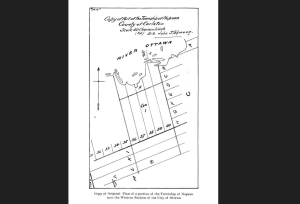
A favourite tale of Ottawa lore, re-told repeatedly, is the intriguing story that a plan to place the Rideau Canal entrance at LeBreton Flats was changed because of Lord Dalhousie’s anger at Captain John LeBreton, who the Governor General believed had used privileged information of the plan to purchase Lot 40 (the planned location) for personal gain.
Historians, however, as far back as Hamnet Pinhey Hill in 1919, have persevered to dispel the apparently groundless legend that this dispute actually had any impact on plans for the Rideau Canal.
Reproducing primary sources, including the full written accounts of both Dalhousie and LeBreton, Hill attests that the story of canal plans playing a part in the matter is without basis – the only plan figuring into Dalhousie’s anger having been one for placement of a storehouse to serve the terminus of the Richmond Road.
As per Hill: “There was however, an unpleasant misunderstanding between Lord Dalhousie and LeBreton over his purchase of Lot 40 at the sale, and the freedom with which Dalhousie vented his indignation probably accounts for the distorted story”.
Hill maintains that the land purchase disputed between Dalhousie and LeBreton had been in regard to planned use of the lot for a storehouse, not for the Rideau Canal.
Here is the link to the essay penned in 1919 by Hamnet Pinhey Hill, a local lawyer, MLA for Ottawa West and great-grandson of early March Township landowner Hamnet Pinhey.
We invite you to read Chapter V (pages 28-39), which will prove to be of particular interest to this long-running debate, as to whether the legend of the Dalhousie/LeBreton/Rideau Canal "scandal" is historical fact... or myth.
Patty Mooney – The Woman at the Lock: The Unrecorded Year at Narrows Lock
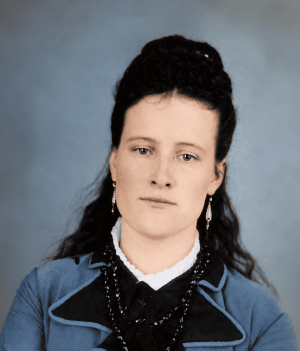
Has a gap in the official record at Narrows Lock, between 1896 and 1897, concealed that truth that the lock was actually maintained by the Rideau Canal’s first female lockmaster during that period?
Three generations of the Mooney family (all named Michael Mooney) served as lockmaster at Narrows Lock, spanning 87 of the lock’s first 122 years of operation.
During the unexplained period in question, no name is listed, yet the lock kept running, the boats kept moving -- someone kept the gates.
Kate Carty Mooney had lived at the lock station her entire married life. She understood the water levels, the boats, the seasons, and the weight of responsibility the lock carried.
In her submission to the HSO Bytown200 Bicentennial Storytelling Challenge, filmmaker, writer, musical artist Patty Mooney mines family memory and public records to make the case that, from the time her great-grandfather died, until his son was appointed the next year, it was more than likely Patty’s great-grandmother Kate Carty Mooney who had stepped in as lockmaster at Narrows Lock.
The Woman at the Lock
Kate Carty Mooney and the Unrecorded Year at Narrows Lock
There is a gap in the official record at Narrows Lock on the Rideau Canal. Between the death of Lockmaster Michael Mooney Jr. and the formal reappointment of his son Edmund, known to everyone as Ebb, in 1897, the Parks Canada lockmasters document lists no name. The lock kept running. The boats kept moving. Someone kept the gates.
That someone, according to family history passed down through four generations, was Kate Carty Mooney: wife of Michael Mooney Jr., mother of Ebb, and, in the memory of all who knew the family, the first woman to hold the gates at Narrows Lock.
This is her story, as best as it can be told from family memory, public records, and the silences that speak as loudly as the documents themselves.
The Carty Family: Roots in Canada West
Before Kate Carty became Kate Carty Mooney, her family had already established deep roots in Canada West. A death notice in The Ontario Reporter, published in Whitby, Canada West on September 13, 1851, records the death of John Carty, placing the Carty family in Ontario five years before the first Michael Mooney took up his post at Narrows Lock. The Carty family was part of the great wave of Irish emigrants who made Canada their home in the mid-nineteenth century, arriving with faith, industry, and a determination to build something lasting in a new country.
That determination proved generational. A Westport, Ontario birth register from 1906, the same year Father Tom Mooney was born in that same town, records the birth of Kathleen Carty on April 30th, daughter of D. Carty and Anastasia Welch, father's occupation listed as Railroad Trainman, residence Westport. The Carty family remained in the Westport community, living alongside the Mooneys, for decades after Kate's marriage. The two families were woven together not just by marriage but by place, by community, and by the shared life of a small Ontario town on the shores of Upper Rideau Lake.
When Kate Carty married Michael Mooney Jr. and came to Narrows Lock, she was not a stranger to the region. She was a daughter of it.
Three Michaels and a Canal
The Mooney family's connection to Narrows Lock is one of the most remarkable in the history of the Rideau Canal. Three generations, all named Michael Mooney, held the position of lockmaster there, spanning 87 of the first 112 years of the lock's operation. As family cousin Jim Bulger has observed, after all that service, the lock could well have been renamed Mooney's Lock.
The first Michael Mooney and his wife Jane Cain were both born in Ireland but emigrated to Canada, where Michael became lockmaster at Narrows Lock from 1856 to 1871. His son, Michael Mooney Jr., took over in 1871 and served until his death in 1894. Together, father and son gave the lock more than three decades of continuous Mooney stewardship. The family became so woven into the identity of the place that Mooney's Bay, now a beloved public park on the Rideau River in Ottawa, carries their name to this day.
Michael Mooney Jr. married Kate Carty, and together they raised nine children at the lock station, among them John Henry Mooney (my grandfather) and Michael Edmund Mooney, known to everyone as Ebb. Ebb grew up watching his father and grandfather work the gates, learning the rhythms of the water and the seasons from the people who knew them best.
Ebb would go on to marry Anna Cecelia Mooney, known warmly to family and friends as Birdie. By all family accounts, Ebb and Birdie were exemplary people in every respect. Their son, Father Thomas Edmund Mooney, was born in Westport, Ontario on January 21, 1906, within sight of the lock his great-grandfather had first tended fifty years before. He earned a Bachelor of Arts from the University of Toronto and diplomas from the Pius X School of Music in New York and became Director of Music at St. Mary's Roman Catholic Cathedral in Kingston, beloved by his congregation and widely admired across the diocese.
When war came, Father Tom volunteered as a chaplain in the Canadian Army. Before he was killed ministering to the wounded at Ouse Camp, Belgium, on September 14, 1944, he wrote a letter to his mother. The Toronto Daily Star of September 26, 1945, quoted his words when the story was shared at the 12th annual meeting of the Canadian Catholic Historical Association: "If I am killed, I am not afraid. The only important thing is to be ready to face God, and I am ready. Somehow it wouldn't seem so useless if one 'got it' here." He was 38 years old. He was believed to be the first Canadian Catholic Chaplain reported killed in action in the Second World War.
He is buried at Adegem Canadian War Cemetery in Belgium, Plot X, Row A, Grave 8. His headstone carries the inscription: 'Greater love than this no man hath' and 'Caritas Christi urgetnos,' the love of Christ compels us. He is commemorated on Page 397 of the Second World War Book of Remembrance. His life was honoured further by the naming of Mooney Creek in the Yukon Territory. His story was told in a small booklet, 'A White Knight of God,' written by Rev. D.A. Casey. A creek in the Canadian wilderness, a headstone in Belgium, a page in the Book of Remembrance: the family's reach across this country, and across its history, runs deep.
The memorial service held for Father Tom at St. Mary's remains among the very largest in the history of the City of Kingston. People and clergy from all faiths and all walks of life came to pay their respects. Family cousin Jim Bulger recalls that Carmel Patterson Bulger, who attended the service, said she had never seen her mother cry until she came home from Father Tom's memorial. She was not alone in expressing her sorrow that way.
The Mooneys of Narrows Lock were, in every generation, people who gave themselves fully to something larger than themselves. From Kate at the lock gates to Father Tom at the front, the family's story is one of service, sacrifice, and an unbroken commitment to the communities they called home.
Kate at the Lock
When Michael Mooney Jr. died in 1894, the question of the lock's continuity arose immediately. Kate's brother, William Carty, stepped in to hold the position. Then in the summer of 1895, Kate's son Ebb took over temporarily. Ebb was discharged in late 1896, and the Parks Canada compilation of Rideau Canal lockmasters, assembled from primary sources by Ellen Manchee and updated through 2007, records no lockmaster at Narrows Lock for the period between that discharge and Ebb's permanent reappointment in 1897.
In the language of official records, this is simply a blank. No name, no date, no note.
In the language of family memory, this is Kate.
Family members recall that Kate Carty Mooney served as lockmaster during the time between her husband's death and when her son took over permanently. She knew the work intimately. She had lived at the lock station her entire married life, raising nine children there while watching three generations of her family work the gates. She understood the water levels, the boats, the seasons, and the weight of responsibility the lock carried. When the station needed her, she was ready.
This account is carried in family memory and has not found its way into the official record of the Rideau Canal. The appointment ledgers of the Department of Public Works recorded formal titles, and formal titles in that era went to men. Kate kept her own record in the way that mattered most: the lock ran, the boats passed through, and four generations of family remember who made that happen.
Why This Story Belongs in the Record
The HSO Bytown200 storytelling challenge specifically invites stories about people whose contributions have not been fully captured in the historical record. Kate Carty Mooney is precisely that person.
If family history is accurate, and the timeline fits, the gap is real, and no contradictory record has been found, then Kate was doing the work of lockmaster on one of the Rideau Canal's busiest stations at a pioneering moment: a woman holding the gates at a time when such a role had belonged exclusively to men. She kept the lock running because it needed to be kept running, and she was the one who knew how.
Women's contributions to the Rideau Canal's history have long lived in exactly this kind of space: visible in family memory, present in the daily work of the stations, and largely absent from the formal record. The Bytown bicentennial is an opportunity to say, plainly and for the record: there was a woman here, and her name was Kate Carty Mooney.
What the Record Does Confirm
The following facts are documented in public sources and are consistent with the family's account:
The first Michael Mooney and his wife Jane Cain emigrated from Ireland to Canada, where Michael served as lockmaster at Narrows Lock from 1856 to 1871.
Michael Mooney Jr., son of Michael and Jane, married Kate Carty and together they had nine children. He served as lockmaster from 1871 until his death in 1894.
Following Michael Jr.'s death, Kate's brother William Carty held the position. Ebb then took over temporarily in the summer of 1895, was discharged in late 1896, and was reappointed permanently in 1897, serving until 1946, a tenure of fifty years.
Three generations of Michael Mooneys served as lockmaster at Narrows Lock, covering 87 years of the lock's history. Mooney's Bay in Ottawa is named for the family.
The Parks Canada lockmasters document records no official lockmaster at Narrows Lock between Ebb's 1896 discharge and his 1897 reappointment.
Father Thomas Edmund Mooney, son of Ebb and Anna Cecelia, and great-grandson of Kate, was born in Westport, Ontario on January 21, 1906. He earned a B.A. from the University of Toronto and diplomas from the Pius X School of Music in New York. He served as Director of Music at St. Mary's Roman Catholic Cathedral in Kingston before volunteering as a Canadian Army chaplain. He was killed in action at Ouse Camp, Belgium, on September 14, 1944, age 38, and is buried at Adegem Canadian War Cemetery, Plot X, Row A, Grave 8. His death certificate, graves registration documents, cemetery headstone schedule, the Book of Remembrance (Page 397), the Toronto Daily Star, The Observer of the Rockford Diocese, and The Guardian of March 1945 all confirm these details. He was the first Canadian Catholic Chaplain reported killed in action in the Second World War. Mooney Creek in the Yukon Territory was named in his honour.
The Carty family's presence in Canada West is documented as early as 1851, when a death notice for John Carty appeared in The Ontario Reporter of Whitby, Canada West, on September 13, 1851. This places the Carty family in Ontario five years before the first Michael Mooney took up the Narrows Lock post, establishing Kate's family as long-settled Canadians before her marriage.
A Westport, Ontario birth register from 1906 records the birth of Kathleen Carty, daughter of D. Carty and Anastasia Welch, with a Westport residence, confirming that members of the Carty family remained in the Westport and Narrows Lock community into the twentieth century, living alongside the Mooneys across generations.
Archives Ontario holds a photograph of the Carty family at Narrows Lock circa 1916, further confirming the family's enduring presence at the station across generations.
Family tradition also holds that a Carty Point near the Narrows Lock area carries the family name, though this has not yet been confirmed through the Canadian Geographical Names Database and warrants further local research.
Family members recall that Kate served as lockmaster during the period between her husband's death and when her son took over permanently. The lock's long continuity under Mooney and Carty stewardship, and Kate's lifelong presence at the station, make this account entirely consistent with what the written record shows.
The Story Lives in the Family
When photographs of Kate Carty Mooney were recently shared within an online family history community, the response confirmed something important: this story is carried independently across more than one branch of the family.
Linda Diane Crump Kenney wrote: "We got the same story from Maureen Murray Kenney, born May 1940 and married to Wilfred Kenney. Maureen's mother, Anne Mooney Murray, must be your Dad's cousin. She would have been born around 1910 and graduated as a nurse from Hotel Dieu Hospital in Kingston in the late 1930s."
Anne Mooney Murray was a daughter of the Mooney family, from a different line than the submitter's own. The fact that she passed the same account of Kate to her daughter Maureen, who passed it to Linda, means this memory was alive in at least two separate branches of the family simultaneously, preserved independently and consistently over generations.
A commenter in the same thread, noting the 200th anniversary of the Rideau Canal, observed that the story of the first female lockmaster would be a wonderful contribution to the historical record. That observation is the direct inspiration for this submission.
Oral history that survives across multiple independent family lines, telling the same story in the same terms, carries a particular kind of authority. Kate Carty Mooney kept the lock. Her family remembers. And now, two centuries after the canal first opened its gates, it is time to write it down.
Primary Documents Accompanying This Submission
The following original documents are submitted with this account as supporting evidence for the history of Father Thomas Edmund Mooney and the Mooney family of Narrows Lock:
Military death certificate: Rank H/Captain Thomas Edmund Mooney, Canadian Chaplain Services, killed in action Belgium, 14th September 1944. Next of kin listed as Mr. Michael Edmund Mooney (father), R.R. #1, Westport, Ontario.
Graves Registration Report Form: Adegem Canadian War Cemetery, Belgium, Schedule No. 65, certified October 1955. Confirms burial at Plot X, Row A, Grave 8.
Graves Concentration Report Form: Adegem CDN Military Cemetery, E. Flanders. Confirms reburial from Moerbrugge on 21 June 1945.
Cemetery headstone Schedule A: Records the full inscription on Father Tom's headstone: 'Chaplain to the Forces / The Rev. T.E. Mooney, BA. / Canadian Chaplain Service / 14th September 1944 Age 38 / Greater love than this / No man hath / Caritas Christi urgetnos / R.I.P.'
Adegem Canadian War Cemetery register page: Confirms full biographical details including parentage, education, and role as Director of Music, Kingston Cathedral.
Second World War Book of Remembrance, Page 397: Lists H/Capt Mooney, Thomas Edmund, CCS.
Toronto Daily Star, Wednesday September 26, 1945: Headline 'If I'm Killed, I'm Not Afraid: Heroic Padre's Last Words.' Reports Father Tom's letter to his mother written before his death.
The Observer (Official Organ of the Rockford Diocese), October 29, 1944: Photograph of Father Tom with caption confirming he was the first Canadian Catholic chaplain reported killed in action.
The Ontario Reporter, Whitby, Canada West, September 13, 1851, Vol. 2, No. 22: Contains a notice recording the death of John Carty, establishing the Carty family's presence in Canada West five years before the first Michael Mooney became lockmaster at Narrows Lock.
Westport, Ontario birth register, 1906: Records the birth of Kathleen Carty, daughter of D. Carty and Anastasia Welch, resident of Westport, confirming the Carty family's continued presence in the Westport community in the same year Father Tom Mooney was born there.
A Personal Note from the Submitter
My name is Patty Mooney. I am a filmmaker and musician based in San Diego, California, and Kate Carty Mooney is my great-grandmother.
I grew up knowing her name. I knew she had kept the lock. I knew it was something the family was proud of, in the quiet way families hold onto the things that were always understood but never written down. Researching this submission, in the context of the Rideau Canal's 200th anniversary, brought me to the gap in the official record that makes her story a genuine historical question worth asking.
I am submitting this story in the hope that it will encourage further research. If there are parish records, Department of Public Works correspondence, boat passage logs, or any other documentation from Narrows Lock in the 1894 to 1897 period that might shed light on who was operating the station day to day, I would be deeply grateful to know of them. The family's memory is strong, it is consistent across branches, and it deserves a place in the written record.
Kate Carty Mooney kept the lock. The boats passed through. The water did what water does. And for her unrecorded time at the gates of one of the oldest continuously operated canal systems in North America, she deserves to be remembered by name.
Ruth Hall-McMillan - The Rideau Canal Before 1900
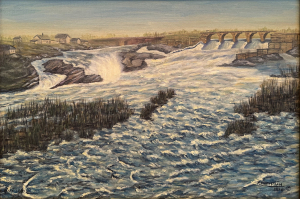
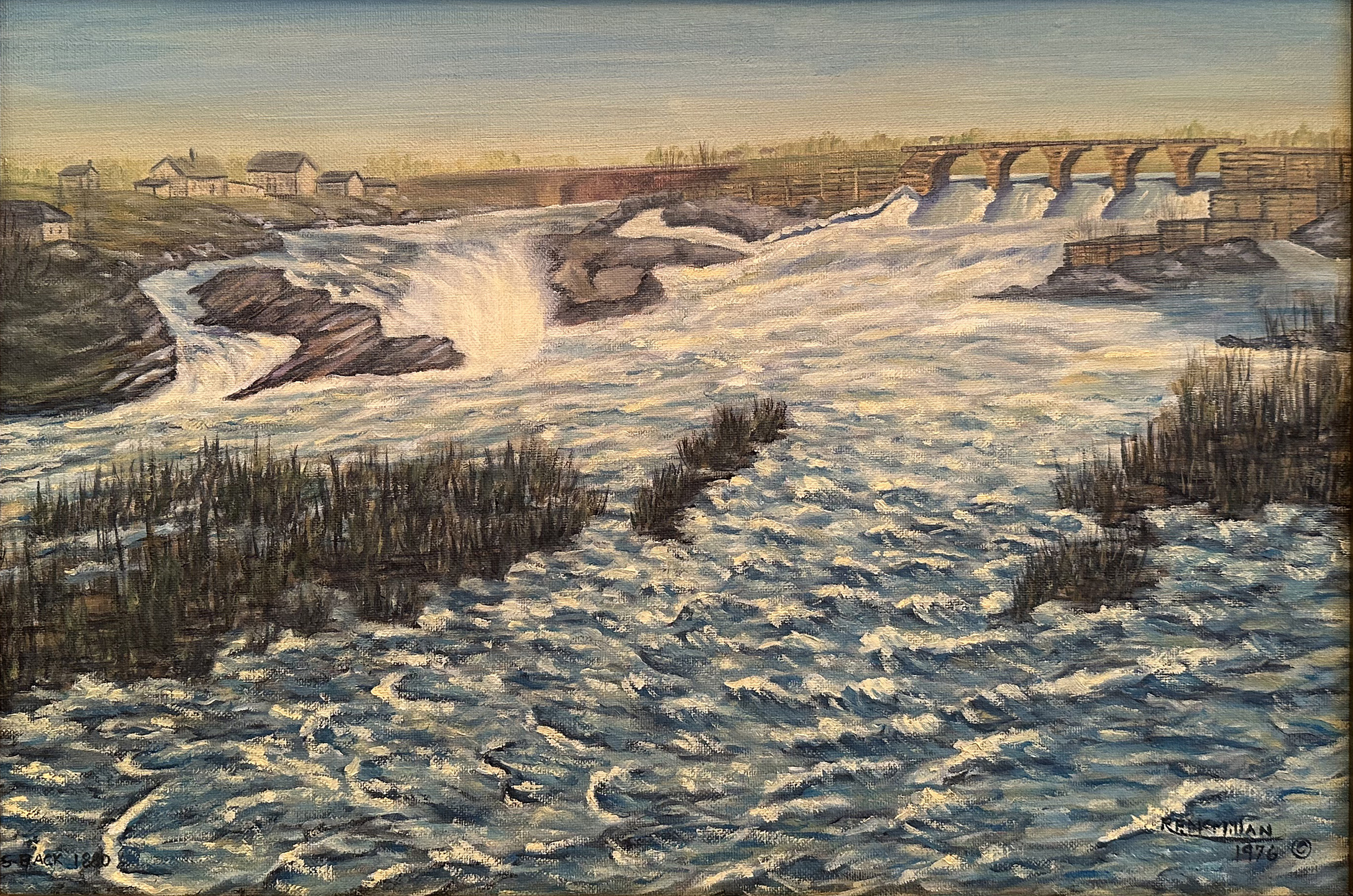
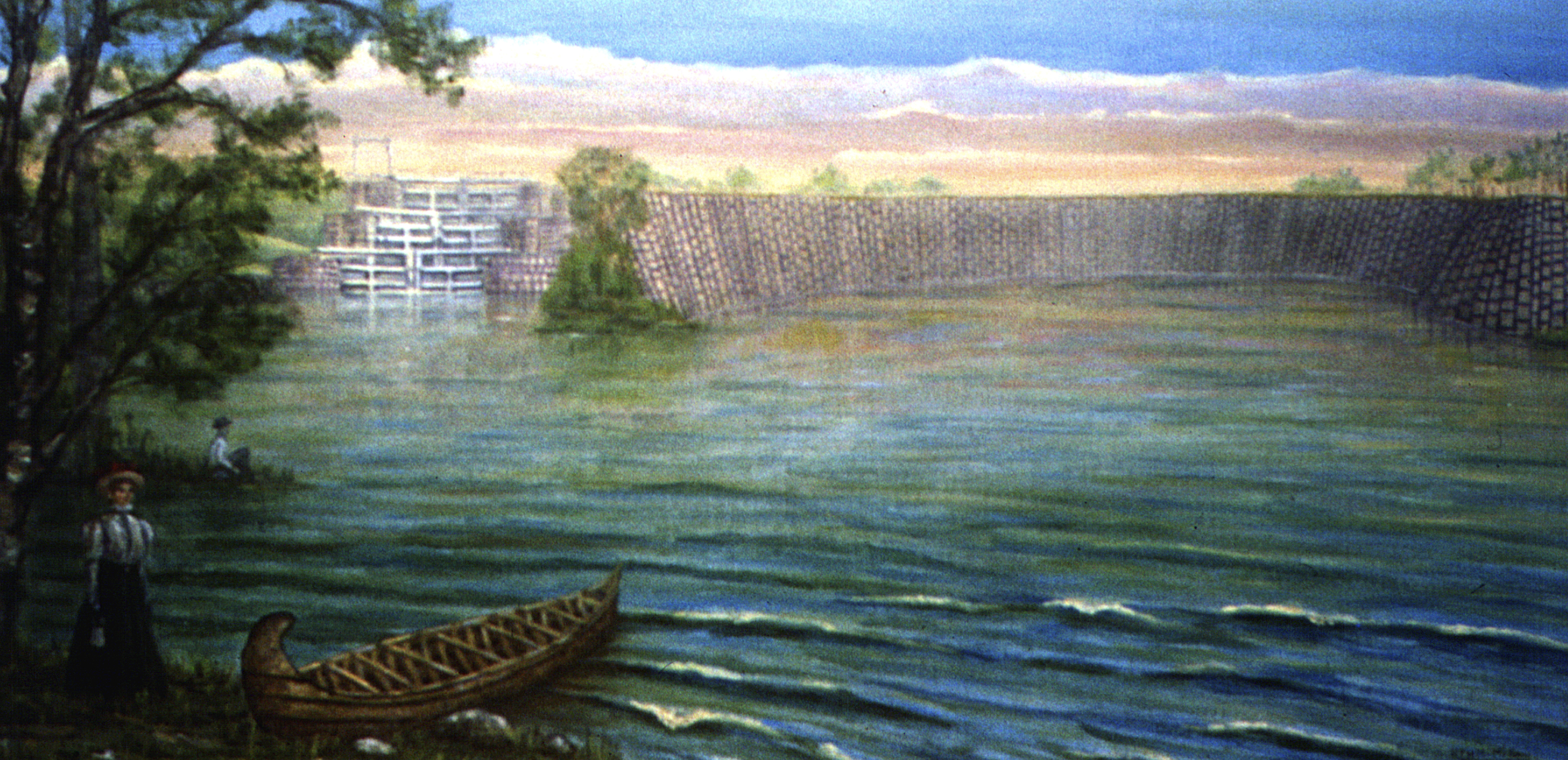
This series of paintings was undertaken by Ruth Hall-McMillan in 1976 to commemorate the 150th anniversary of the start of construction of on the Rideau Canal by Colonel John By in 1826. The paintings depict scenes along the canal from Ottawa to Kingston during the years 1850 to 1895.
Ruth Hall-McMillan, a lifetime member of the Historical Society of Ottawa, was a local artist and writer whose work bridged the gap between fine art and historical preservation. She passed away in 2025 at the age of 93.
The Ruthven (Ruth) F. McMillan Rideau Canal Series, gifted by her family in honor of their mother, Ruth, and her father, R.H. “Bill” Hall, former Curator of the Bytown Museum.
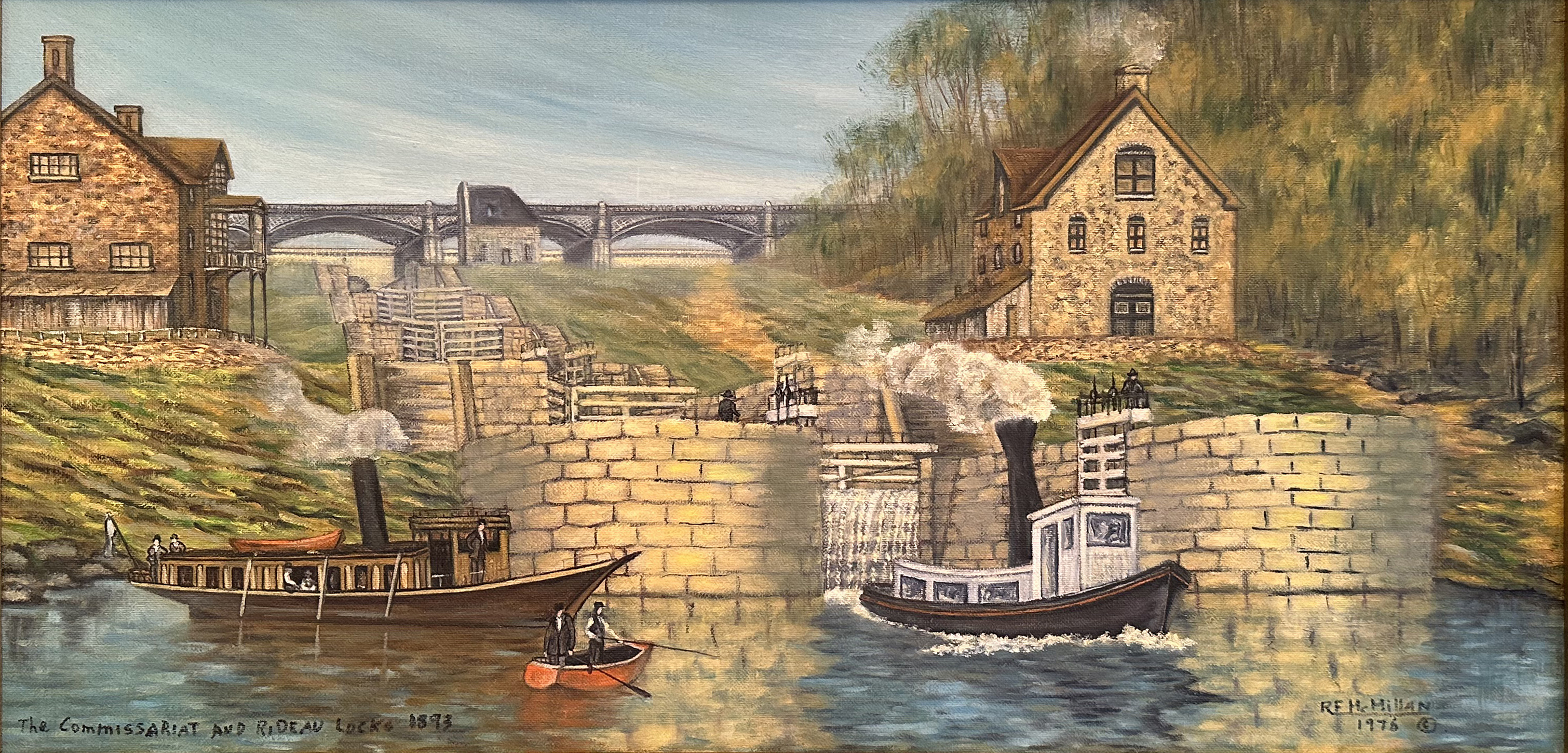 RF McMillan Rideau Lock
 RF McMillan Hogsback
 RF McMillan Long Island
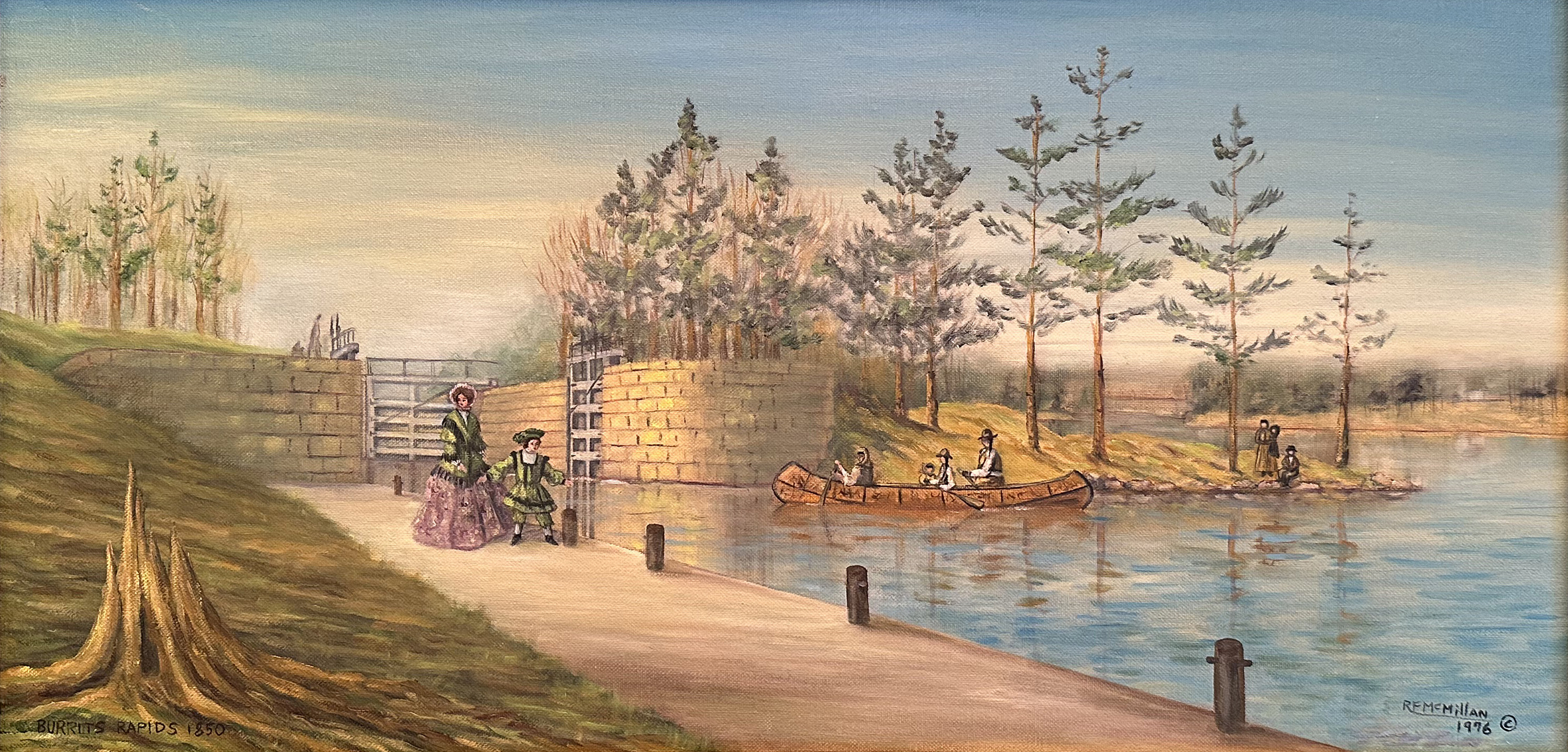 RF McMillan Burrit's Rapids
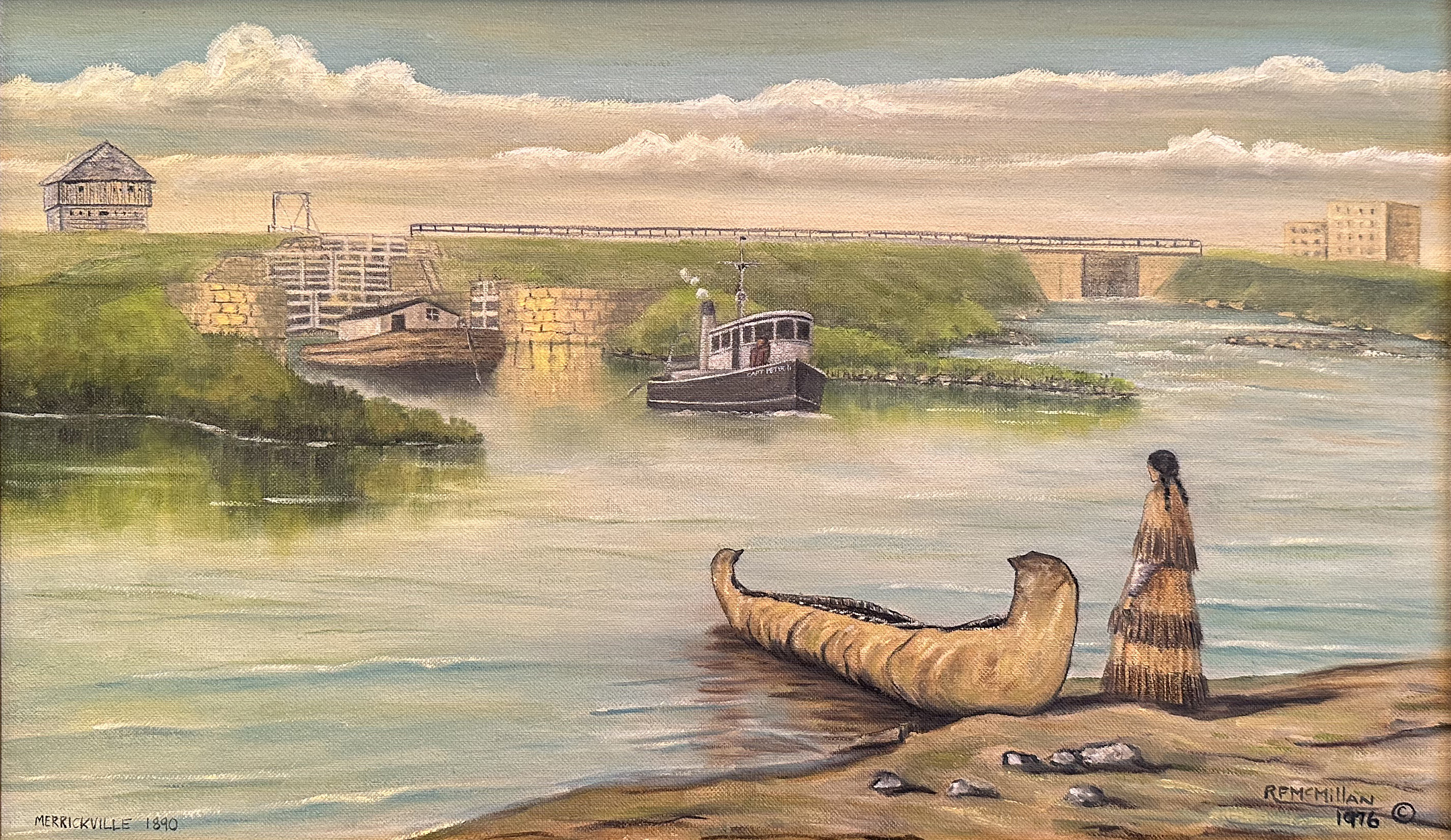 RF McMillan Merrickville
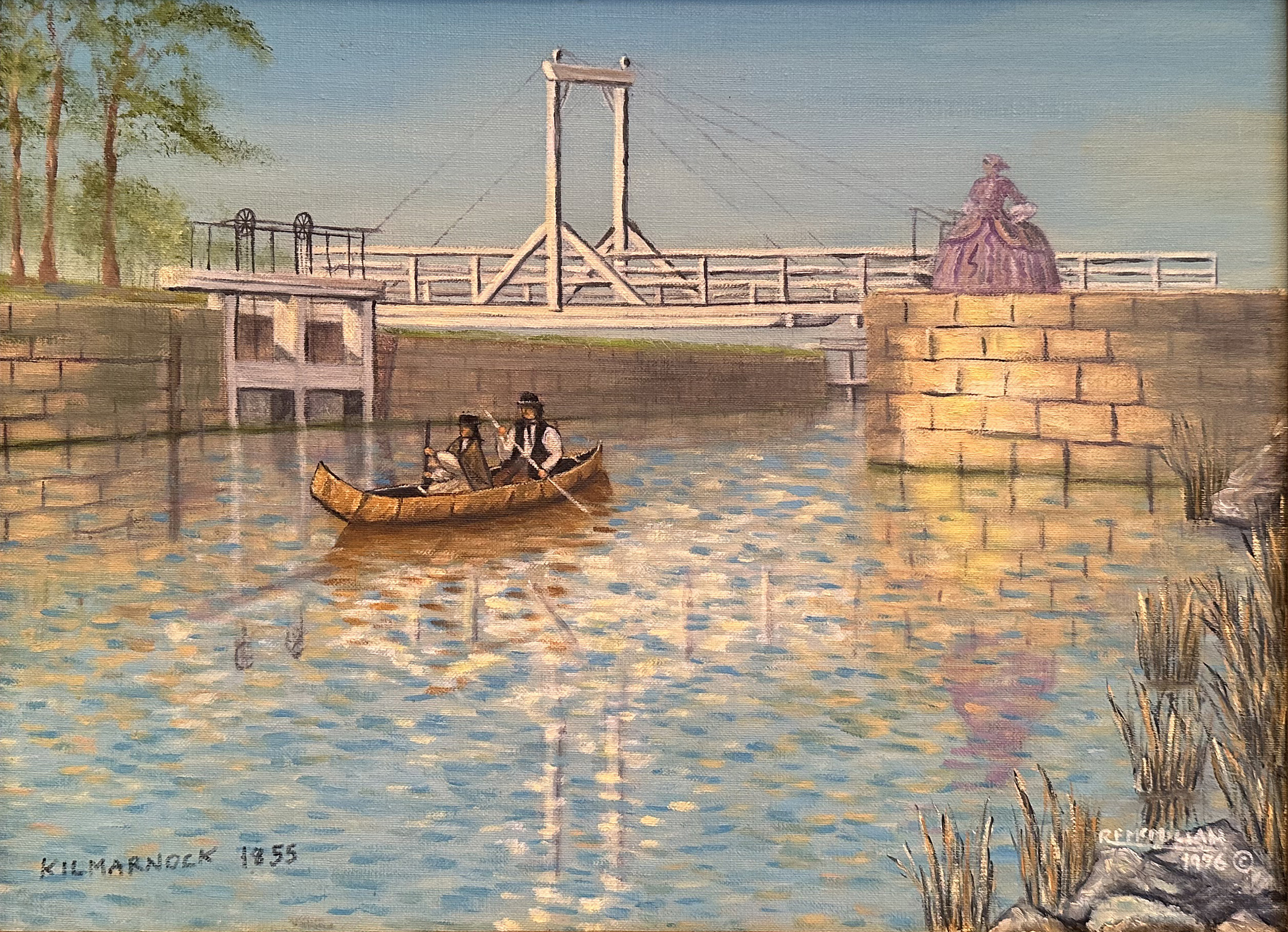 RF McMillan Kilmarnock
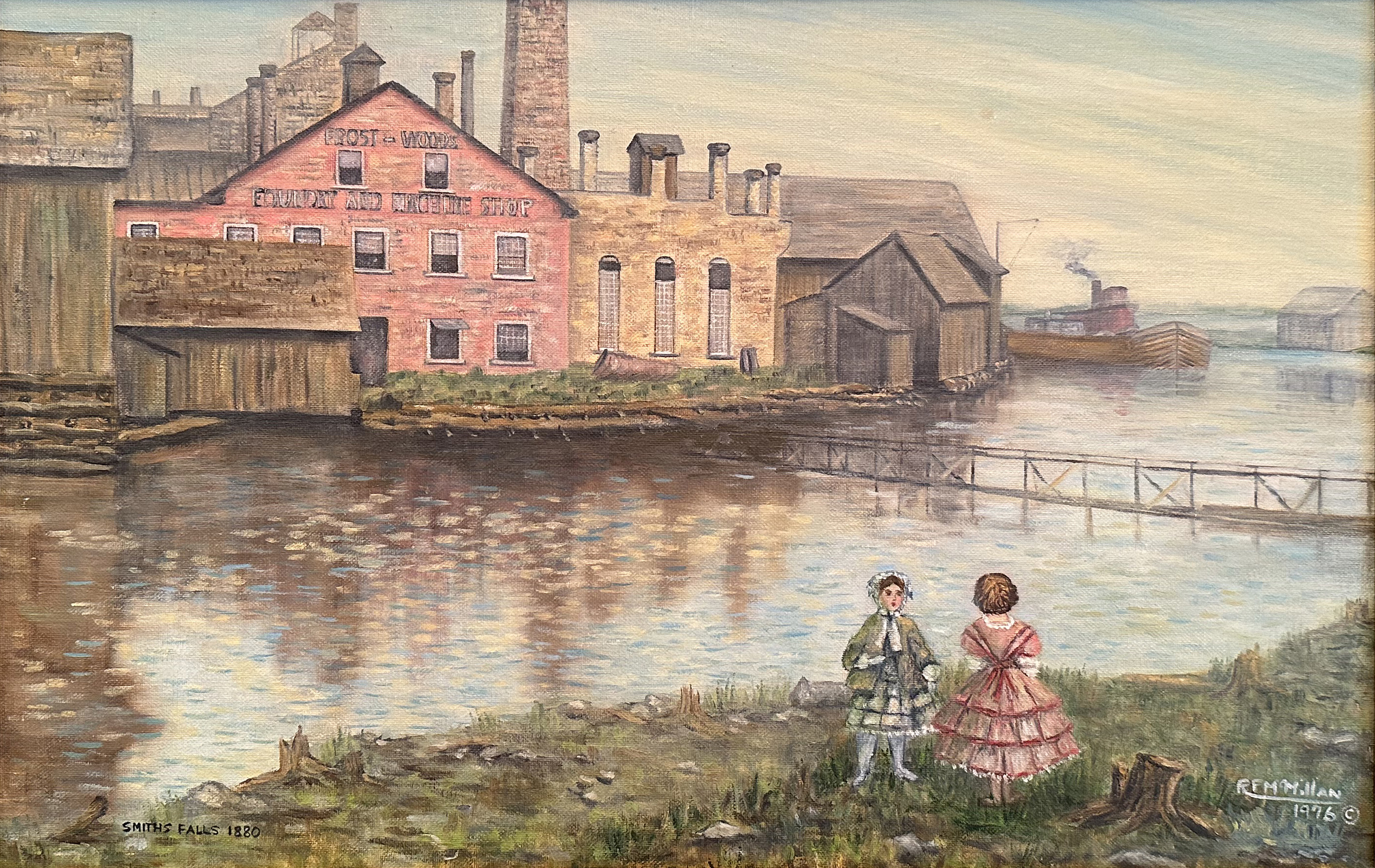 RF McMillan Smith Falls
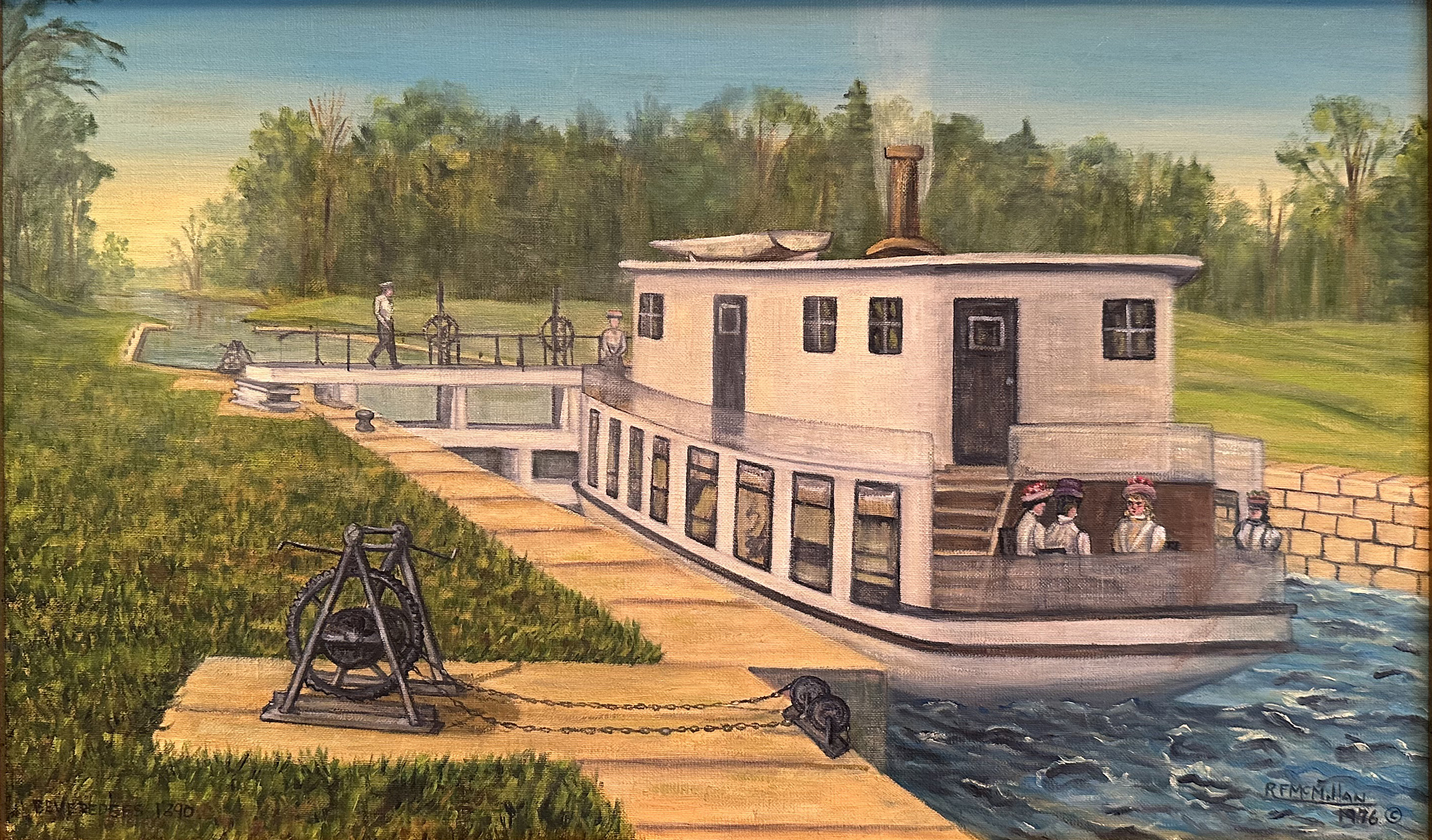 RF McMillan Beveridge
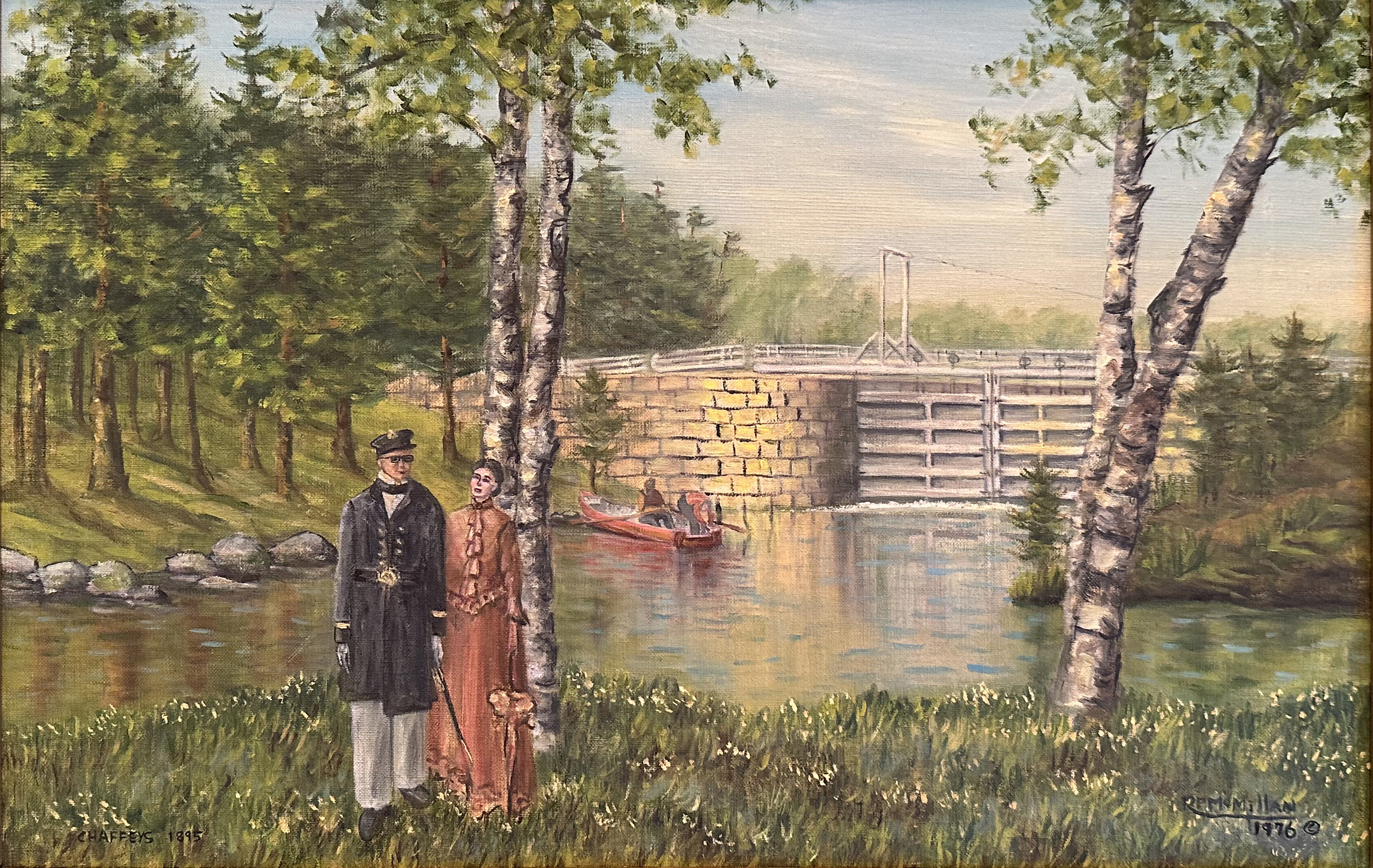 RF McMillan Chaffey's
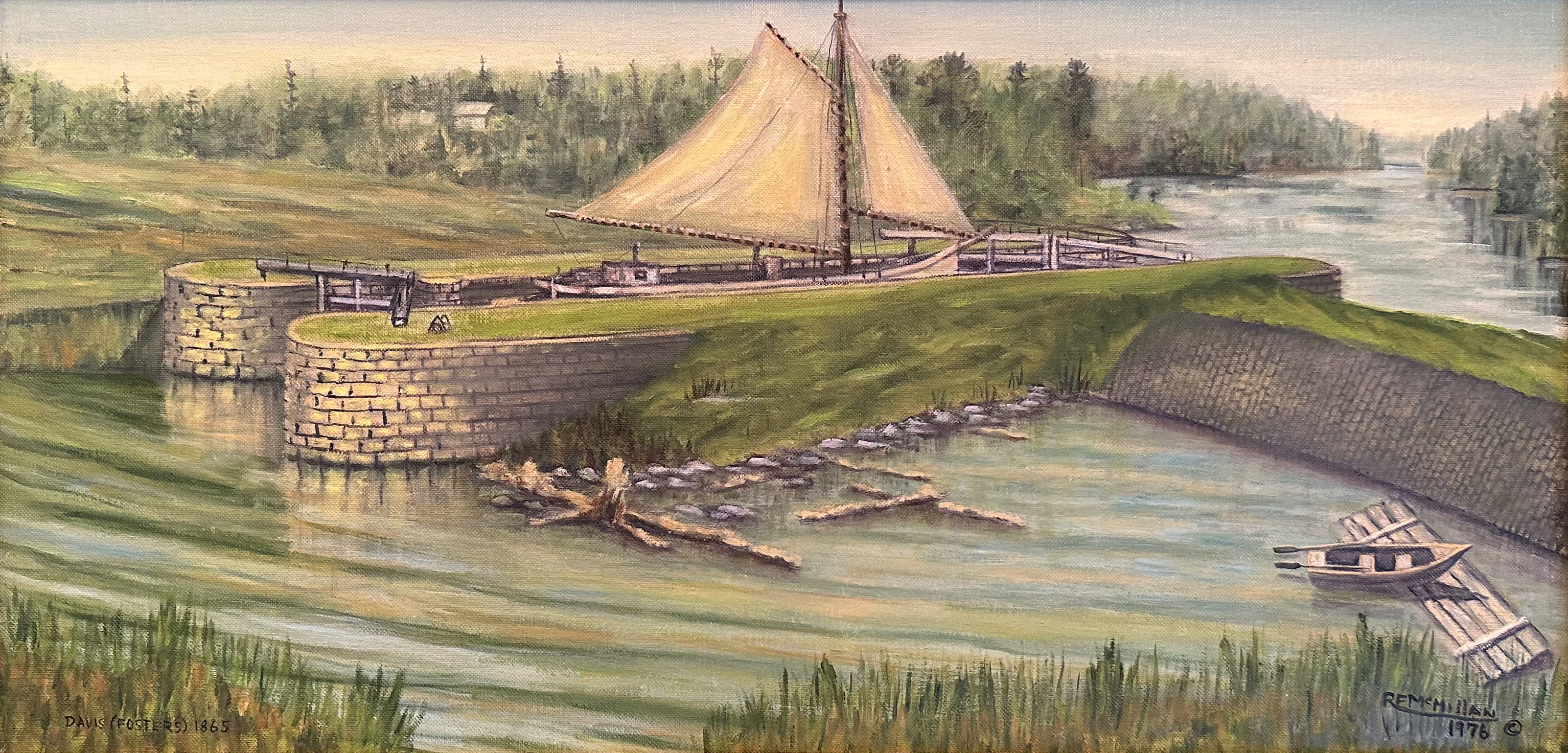 RF McMillan Davis
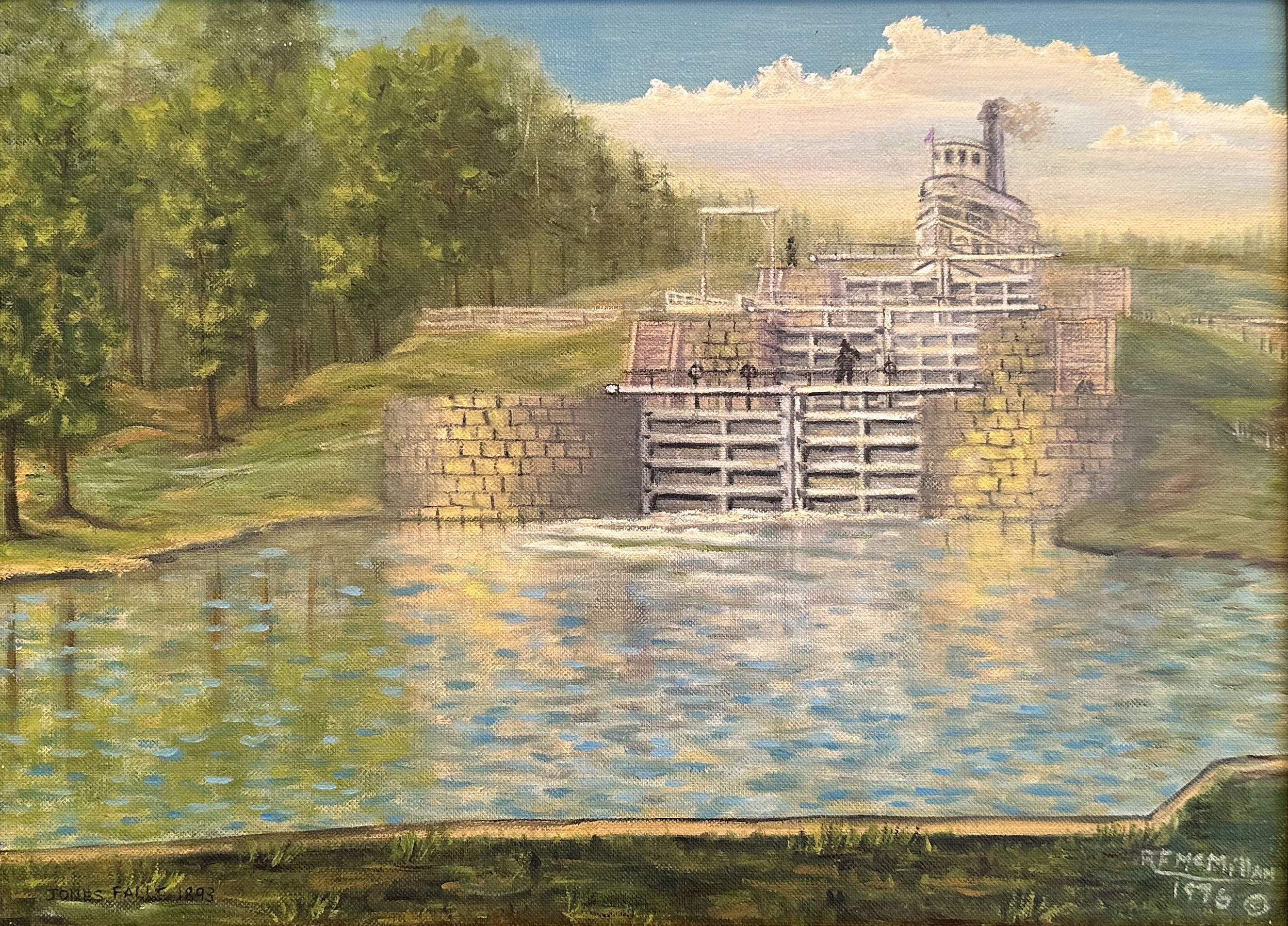 RF McMillan Jones Falls
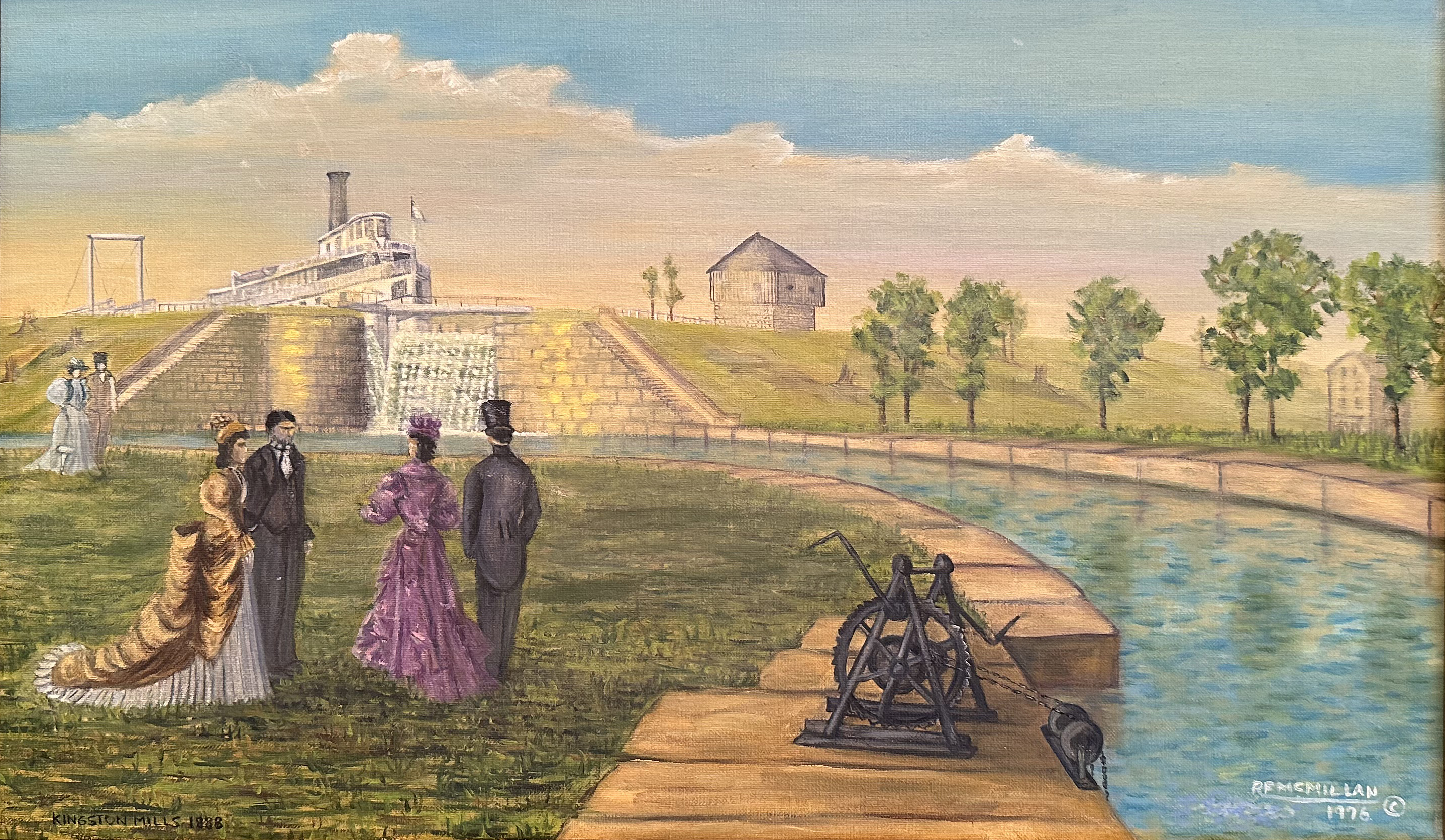 RF McMillan Kingston Mills
The HSO 2026 Bytown200 Bicentennial Storytelling Challenge
Let’s hear your stories about Bytown and the Rideau Canal as we begin to mark 2026, the 200th anniversary of the beginning of both!
All contributions are welcome. Selected submissions will be shared on a special webpage on the HSO website for all to access, including educators. Eligible contributions can be submitted in a variety of formats, including written or audio/video.
We hope to also incorporate selected contributions into our many other platforms – such as our blog, the HSO Capital Chronicle newsletter, website articles and the Ottawa Stories sections and potentially our pamphlet series. All will be shared through our social media platforms well.
We welcome stories that pertain to the Rideau Canal or Bytown (1826-1855) or the Ottawa area’s history beforehand, as well as stories exploring the impact that the establishment of both had on the lives and livelihoods of Indigenous people.
We welcome new as well as updated or previously-published materials for submission. Contributors will allow HSO the right to publish their materials while also retaining the right to do so themselves.
Contact us to learn more: This email address is being protected from spambots. You need JavaScript enabled to view it.
We will also be happy to discuss any proposals for submissions you may have.
Have a look at our collection of stories: www.historicalsocietyottawa.ca/resources/bytown-200
Andrew King – The Vanished Village of Long Island
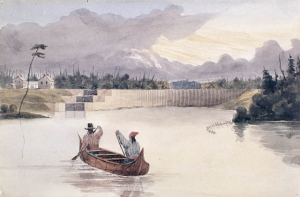
First settled in the early 1830s during the construction of the Rideau Canal, the bustling village of Long Island would, by the mid-1800s, boast multiple streets, churches, general stores and hotels — and its own post office.
Once located near today’s Long Island Locks, Andrew King was perplexed to find nothing now remaining but grassy empty fields and the crumbling ruin of an old farmhouse, and no surviving signs of the once thriving community.
Curious as to how all traces of this “ghost village” north of present-day Manotick could simply disappear, Andrew proceeded to try to track down clues of “The Vanished Village of Long Island”:
ottawarewind.com/2017/11/19/the-vanished-village-of-long-island/
Andrew King is an Ottawa artist and historian and author of the Ottawa Rewind blog.
Alastair Sweeny – Lord Dalhousie and the Rideau Canal
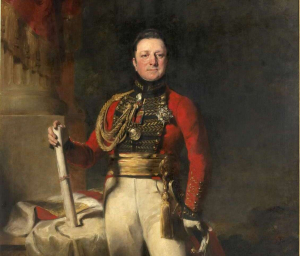
There was perhaps no greater proponent for construction of the Rideau Canal than Lord Dalhousie, Governor-in-Chief of British North America.
As part of the HSO 2026 Bytown200 Bicentennial Storytelling Challenge, Alastair Sweeny recounts the contributions of Lord (and Lady) Dalhousie to the establishment of the Rideau Canal and Bytown.
Alastair Sweeny, PhD is the author of several books on Canadian history and technology, including George-Étienne Cartier: A Biography, BlackBerry Planet, and Fire Along the Frontier: Great Battles of the War of 1812 and Thomas Mackay: The Laird of Rideau Hall and the Founding of Ottawa.
Dr. Sweeny is based in Ottawa and is a member of the Historical Society of Ottawa.
Read the essay here: Lord Dalhousie
Allison Margot Smith – New Film for the HSO on the Rideau Canal
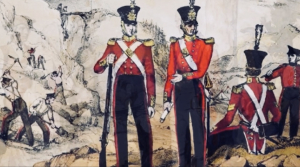
Produced especially for the “HSO 2026 Bytown200 Bicentennial Storytelling Challenge” this new film “Two Wars, Three Watersheds, A Slew of Surveys & A Canal”, by historian and documentary filmmaker Allison Margot Smith, traces the extensive surveys and planning, in response to the threat of American attack, that ultimately led to the construction of the historic Rideau Canal:
Follow this link to learn more about the film maker and to view some of Allison Margot Smith's previous films on the Rideau Canal:
Join us for our March 28, 2026 Speaker Series presentation when Allison discusses the history of the Rideau Canal, including a screening of her new film:
https://www.historicalsocietyottawa.ca/activities/events/eventdetail/184/-/the-rideau-canal
The Origins of the Rideau Canal
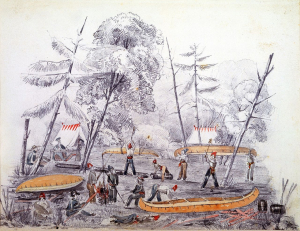
On Saturday March 28, 2026, Allison Margot Smith gave a film-screening of her recent film “Two Wars, Three Watersheds, a Slew of Surveys and a Canal.” The film describes the history of the Rideau Canal, and in particular, the planning of the route of the canal, starting in the 1780s.
The reasons for building the canal changed over time, as did ideas for the route. So, it took more than fifty years to arrive at a plan for the canal. Even the geography of the land mass to be transited by the canal changed due to human activity in this relatively wild country. But by 1826, 200 years ago, a route had been chosen and budget had been allocated by British Parliament. Lieutenant-Colonel John By was sent to start work on this mammoth project, and his encampment – called Bytown – was established, launching what is now our city.
Following her film, Allison gave a short talk on the imagery used to create her film, including the challenges of sourcing archival imagery for historical documentary films. She discussed how archival imagery and archival film footage can, in some cases, act as a kind of citation, offering proof that the assertions in a film reflect the realities of the past. This is important in a historical documentary film, since films, unlike academic papers, don't have traditional citations. And while archival images may be imperfect citations, even traditional citations may not be perfect proof of an assertion.
Allison also talked about questions, raised recently, about the potential inability to trust documentary films, with the emergence of Artificial Intelligence and AI-generated films. Her talk addressed the intent and legitimacy of AI in film-making, and she suggested that these new technologies may not be so different from traditional photography or historical art composition, depending on the intent. Finally, she touched on the use of archival cartoons as a way of illustrating and providing a "citation" for historical social commentary.
The City of Ottawa Archives – Bytown 200th: Ottawa's history
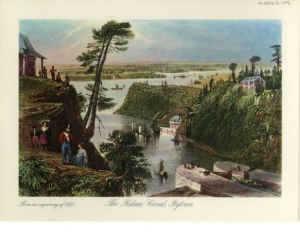
The City of Ottawa Archives joins in marking 200 years since the founding of Bytown, by presenting a serialized look at the community’s early development.
“Bytown: Construction Camp to Fledgling City” explores the transformation of a frontier settlement into a vibrant urban centre. Through archival records, historical insights, and profiles of key figures, follow this series as the Archives brings Bytown’s story to life—one chapter at a time: https://ottawa.ca/en/node/3042265
The City of Ottawa Archives are the custodians of permanent and historical civic government records on behalf of the City of Ottawa and its many departments, as well as local, community records with historical value. They preserve, acquire and make these documents accessible for City staff, the public, and other researchers, for present and future generations.
Jack Hanna – Centretown BUZZ Ottawa 200 series

To mark Ottawa’s 200th anniversary, the Centretown BUZZ community newspaper has commissioned Jack Hanna to pen an eight-part series reflecting back on the history of our city.
Jack Hanna is a retired teacher and journalist, amateur historian, and heritage chair of the Centretown Community Association.
, painted circa. 1870. (Library and Archives Canada, W.H. Coverdale Collection of Canadiana).jpg) “Lake Allumette on the Ottawa River in Ontario”, by Alfred Holdstock (1820 1901), painted circa. 1870. (Library and Archives Canada, W.H. Coverdale Collection of Canadiana)
“Lake Allumette on the Ottawa River in Ontario”, by Alfred Holdstock (1820 1901), painted circa. 1870. (Library and Archives Canada, W.H. Coverdale Collection of Canadiana)
As a (non-Indigenous) Centretown resident, Jack Hanna reflects on the devastation caused to the Algonquin Anishinaabe people following the establishment of Bytown.
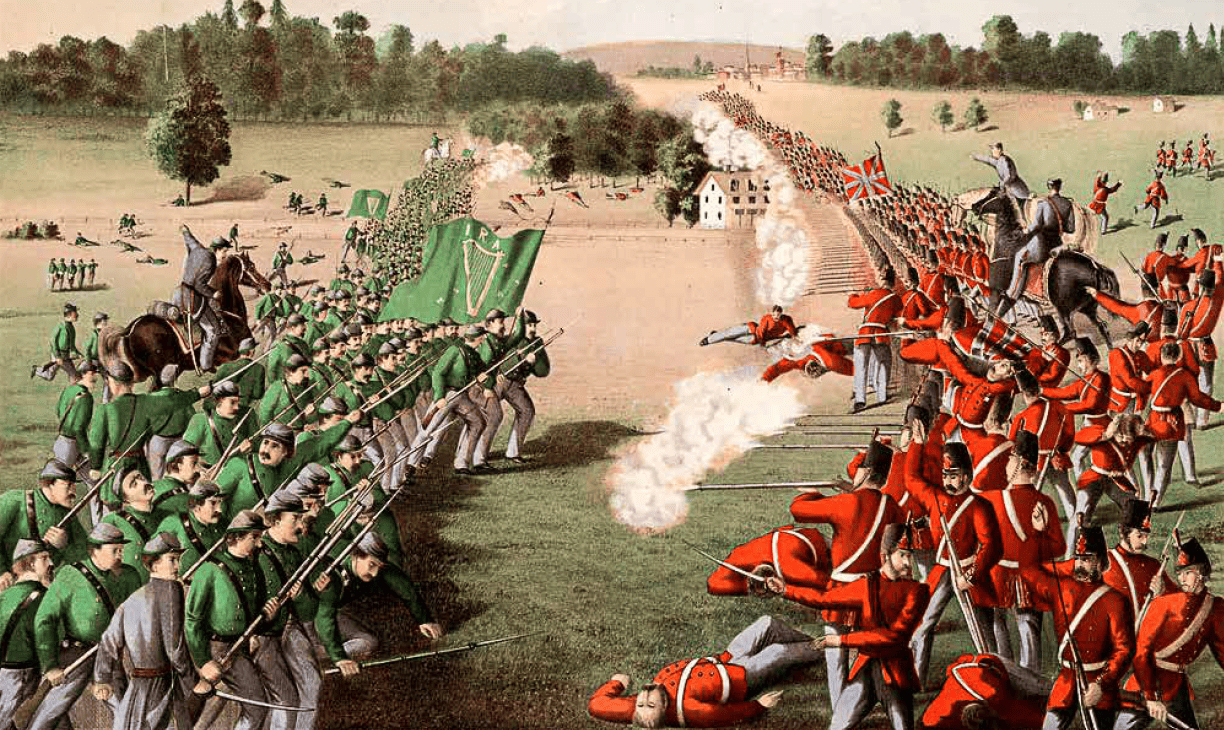 The charge of the Fenians at the Battle of Ridgeway, near Niagara, Canada West, on June 2, 1866. LAC.
Jack continues his look at local history by examining the threat posed by Americans over the years.
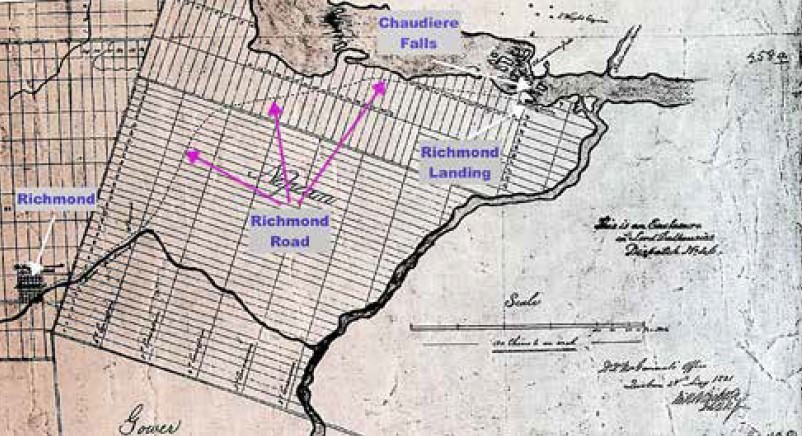 A contemporary map showing Richmond Landing and Richmond Road.
Jack Hanna shares the story of the Earl of Dalhousie, Captain LeBreton, and the shaping of the Rideau Canal:
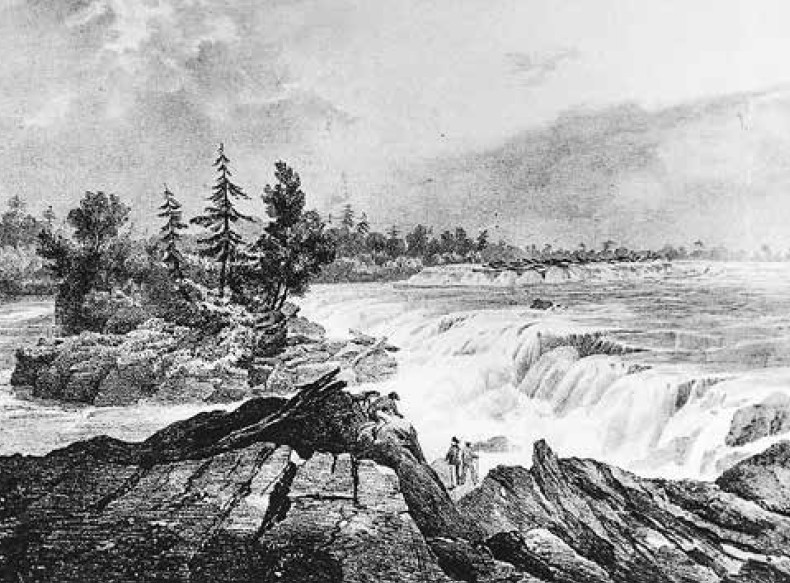 A drawing by Col. John By in 1826 of the Chaudiere Falls. (National Gallery of Canada).
Jack Hanna paints an intimate portrait of the legendary overseer of the Rideau Canal’s construction, Lt. Colonel John By.
Quick Links
About
Supporting Partners