

Working to preserve Ottawa's past
for future generations.

Memory Project
The Historical Society of Ottawa Memory Project is an initiative designed to preserve and celebrate the history of our community and its members. This project aims to collect, digitize and preserve the personal stories, photographs and documents of those who call, or have called, Ottawa home. As part of doing so, we are committed to highlighting the diverse experiences of BIPOC, disabled, and LGBTQ+ people who continue to enrich our community.
Through this project, we hope to preserve these stories for future generations and to provide accessible, educational resources for all those interested in learning more about the history of our city. By celebrating our shared history, we're building a stronger, more connected community where everyone's story is valued and remembered.
If you have a story you’d like to share, please reach out to This email address is being protected from spambots. You need JavaScript enabled to view it.
Completed memory projects can be found below.
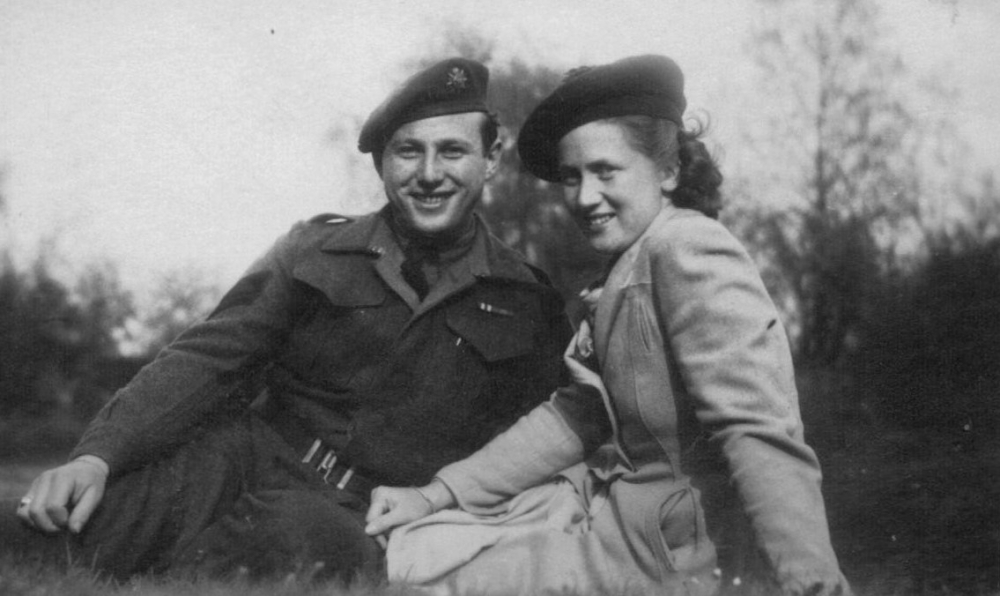
HSO member Ben Weiss tells his family story, and invites others to come forward to do the same, as part of the HSO Memory Project. Almost all our family stories are those of immigrants and refugees of some kind, and Ben’s family story is certainly no exception, his mother a WWII Dutch war bride and his father the son of early 1900s Jewish refugees from Eastern Europe.
HSO volunteer Emily Basseville interviews Ben about his parents’ story. Many thanks to David McEvoy who produced this episode of the HSO Memory Project: The Weiss Family Story.
Larry Delaney: A Life Immersed in and Enriched by Country Music
John Leefe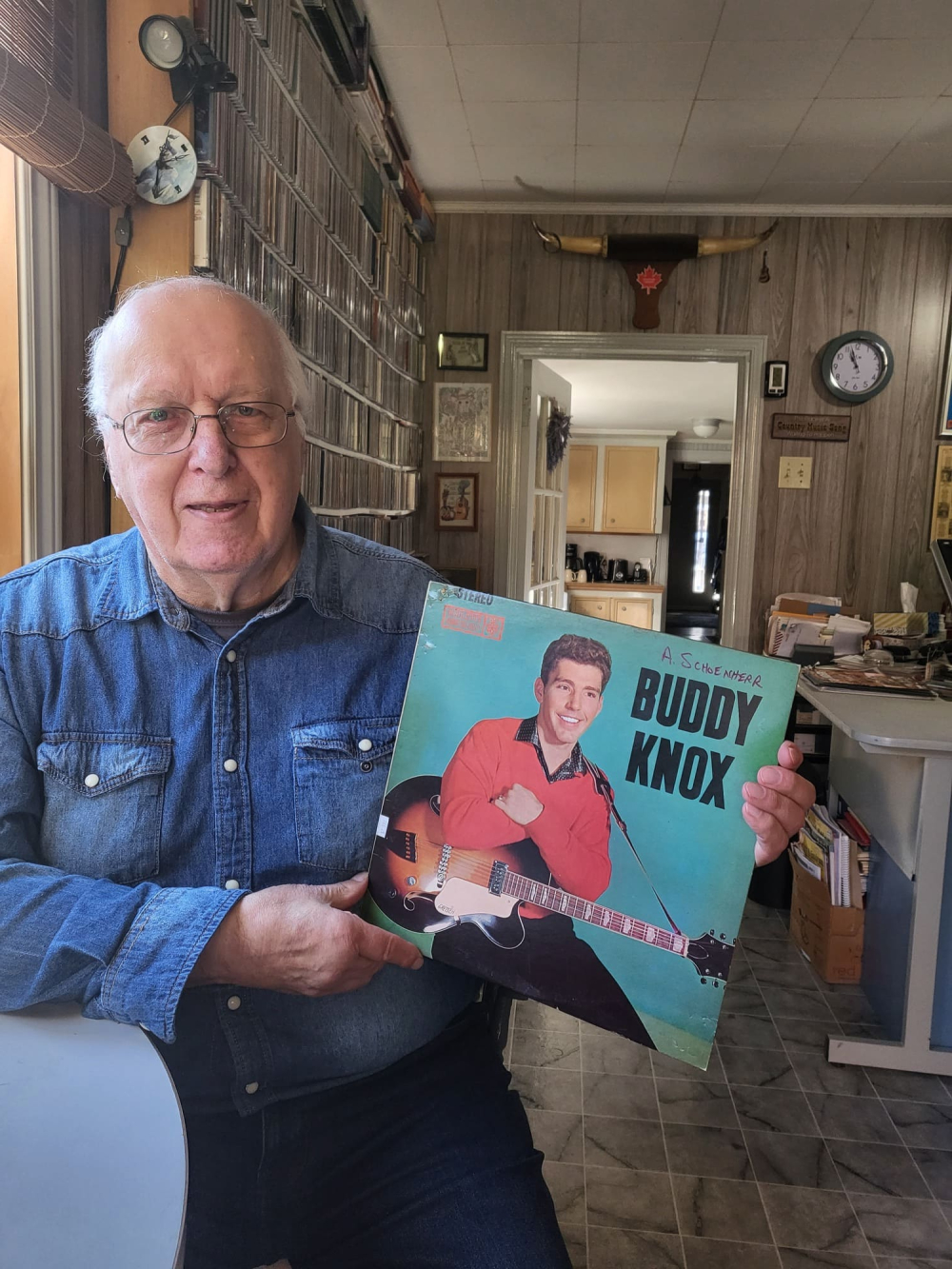
Larry Delaney is a builder, but don’t think bricks and mortar house construction. For over 32 years, the long-time New Edinburgh resident has been instrumental in helping to “build” the careers of hundreds of Canadian country musicians as the former editor/publisher of Country Music News . Launched on a shoestring budget (with local musician Neville Wells) in 1980, the CMM was the only country music publication with a national focus, ceasing publication in 2012. Delaney’s incalculable contribution to the country music industry was most recently recognized in May 2022 when he was awarded the “Impact Award” from the Country Music Association of Ontario as a “Builder”.
But that represents only a fraction of the numerous accolades he’s acquired over the years. Larry is an 11-time recipient of the CCMA’s Country Music Person of the Year award, an inductee into the Canadian County Music Hall of Fame in 1989, and the Hall of Honour in 1996. For a guy who never played an instrument, (“other than a turntable” he jokes), these are impressive accomplishments for the long-time resident of New Edinburgh.
CFRA Announcer and Producer Dave Watts reflects on his long career in the Ottawa radio scene
John Leefe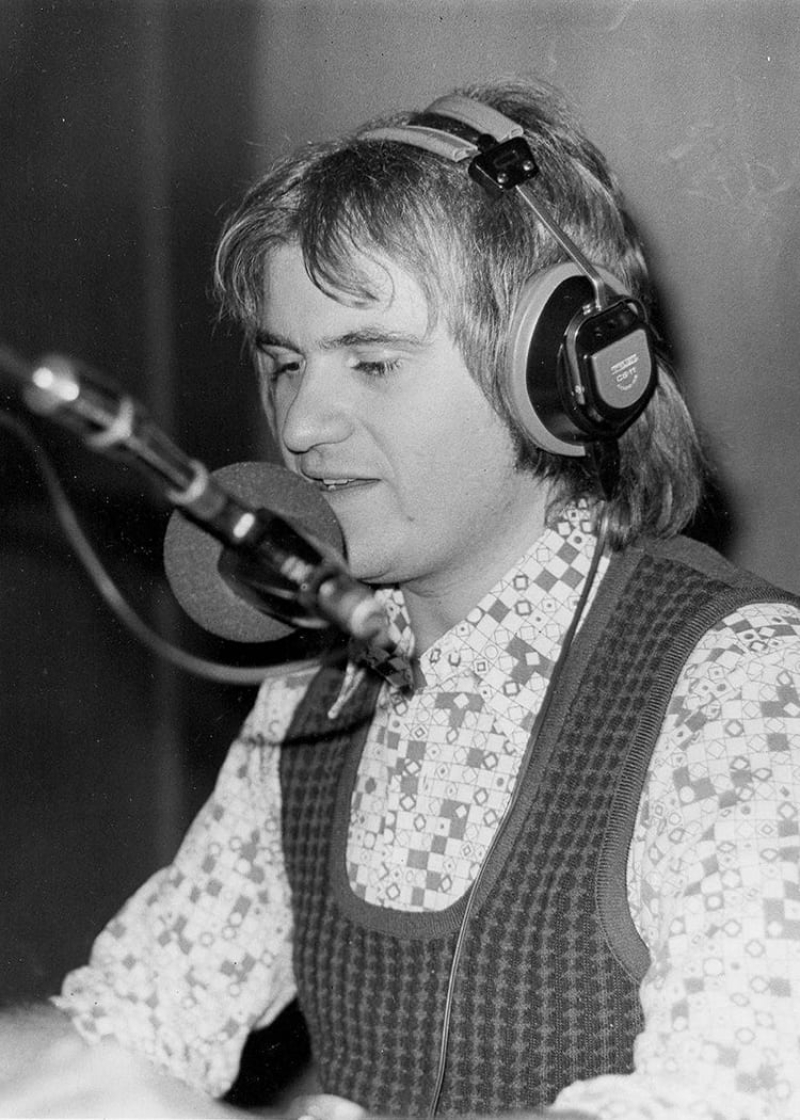
Dave Watts has had a long career on the Ottawa radio scene. In addition to being an on-air announcer, his career at CFRA included Music Director (CFRA) and Assistant to the Program Director (1976-1989) and Promotion Director (CFRA, CFMO and later KOOL FM).1989 to 1996.
In January 2025, John Leefe of the HSO’s Memory Project interviewed Dave about his career at CFRA, with a focus on the various well-known personalities he worked with and his observations on the transformations in the radio industry over the past 60 years. Below is an edited transcript of the interview.
1. How did your involvement in Ottawa radio begin?
To go right back to the beginning, in the fall of 1963 we had a high school project in our business class to find a company and learn about it to do a report. So I thought, I like radio and CFRA is the station I listen to, so I’ll write to them. I explained the project in a letter to the managers and they invited me down for a tour of the station. It was a great idea so I went down with a buddy of mine and in that tour, we met Gord Atkinson, who was probably my earliest connection to the radio station. Just before he was to go on air with his “Showbill” program that afternoon, we chatted a bit and subsequently stayed in touch from that point forward. In the coming days Gord invited me to join him on his “Campus Club” show to report on the latest Ottawa high school activities.
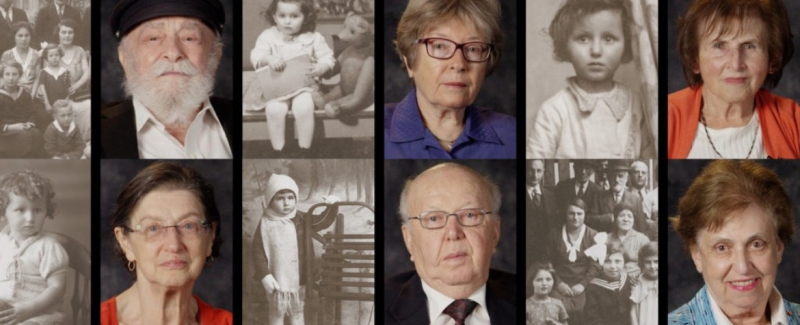
Following World War II, approximately 40,000 Holocaust survivors resettled in Canada. Ottawa became home to many of those Holocaust survivors and hundreds of their descendants.
The Ottawa-based Centre for Holocaust Education and Scholarship invited 11 of those survivors to share their stories.
The Historical Society of Ottawa is honoured to link their testimonials to the HSO Memory Project:
Over the past few years, the Historical Society of Ottawa has been privileged to have had the opportunity to collaborate and work closely with the Cumberland Township Historical Society, whose continuing mission is to discover, share and preserve the important history of the former Cumberland Township, now part of the amalgamated City of Ottawa.
Beginning in 1986, a team of forward-thinking CTHS volunteers set out to record interviews with some of Cumberland Township's older residents at the time, capturing priceless accounts of bygone times.
Now, for the first time, the CTHS is sharing all of these recordings on their website.
HSO is pleased to present the link to these precious recorded interviews: www.cths.ca/voices-from-the-past-voix-du-passe
Ottawa’s Camp Woolsey, Guiding, and the Power of its Community
Sadie Cann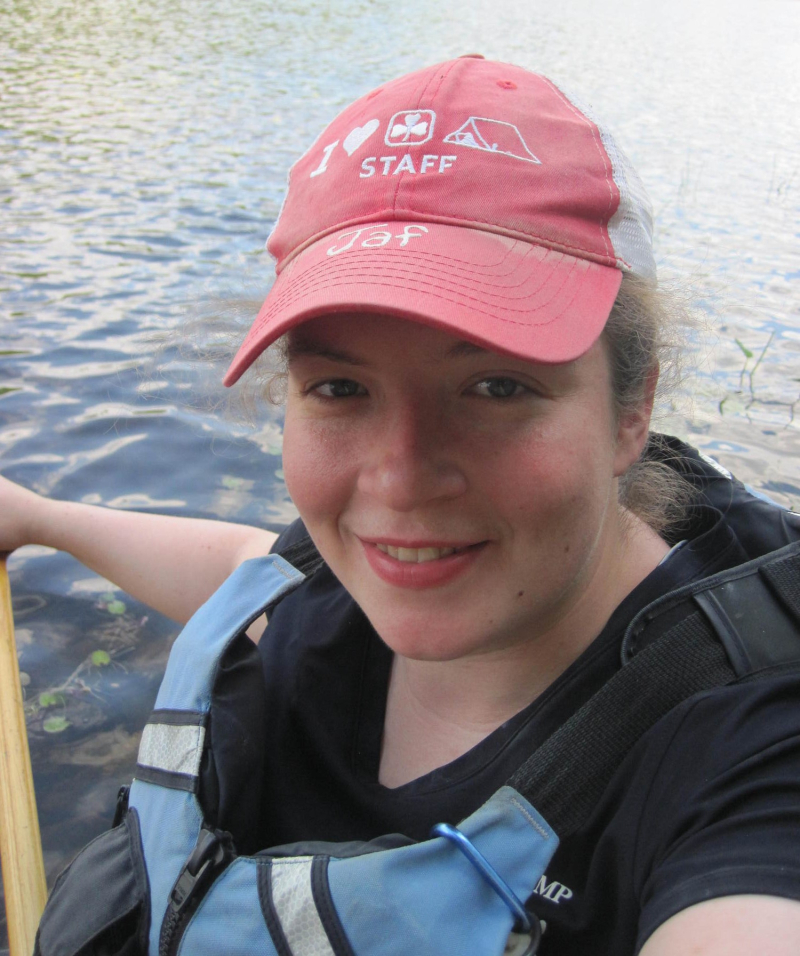
Julie Côté on Ottawa’s Camp Woolsey, Guiding, and the Power of its Community
Could you introduce yourself and tell us how you’re involved with Girl Guides?
My name’s Julie, but a common thing in Girl Guides, especially at Camp Woolsey, was to use fake names or ‘camp names’. So my camp name is Jaf, and that’s what most of the people involved in Guiding in Ottawa would know me as.
I’ve been a member of Girl Guides for basically my whole life. I started in 1997 when my family was posted in Germany. When my family moved back to Canada, I joined as a Brownie. Girl Guides of Canada has recently changed the branch name to Embers, but originally the branch was named after a type of Scottish Fairy. After Brownies I did Guides, Pathfinders, and Rangers but took a break when I went to university. When I came back to Ottawa I became a Guider, and have been a Guider ever since, going on 10 years now.
The biggest reason I stayed as a kid was because of two really good friends, who I met in Guides. They weren’t going to my school, so that was the only time I saw them. The three of us did the leadership training program at Woolsey together, and my first job was working at camp. It was this friendship that kept bringing me back. When I said earlier I took a break from Guides, that was only half true. While technically I wasn’t a member, I still worked at camp. When I got back to Ottawa, the reason I joined again was because some of my friends had a unit and asked me if I could help out. As a kid, I was never interested in working with other kids, but that changed and now I work for the school board.
When I was 12 or 13 there was a big change in the way Girl Guides was run. It became a lot more centralised. No longer did we have “districts” that handle their own affairs, like the Ottawa District for example. It was actually the Ottawa District that first bought and ran Woolsey right from the very start. There have also been program changes and uniform changes. The organisation is always trying to evolve and keep up with the times.
Could you tell me a bit about the camp itself?
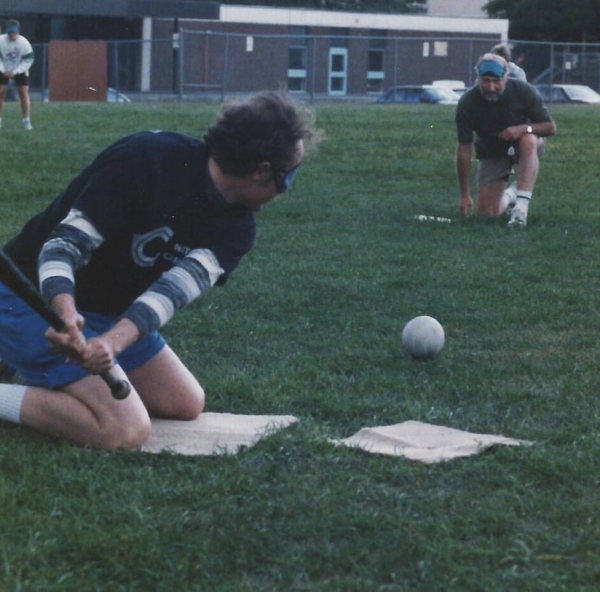
David (Dave) Kent - Beep Ball, Disability, and Sports Memory in Ottawa
In March 2024, the Historical Society of Ottawa sat down with David (Dave) Kent to discuss beep ball, disability and sports memory in Ottawa.
Why don’t we start by telling a bit about yourself and your life?
Dave: Well I was born in Ottawa in the summer of 1951 and did almost all of my schooling, elementary, middle and high school in Ottawa. I went to the University of Ottawa in the early '70s and did an arts degree in Geography. I then went to the University of Manitoba to take a course in data processing, or what they call computer science now. I had normal vision until I was about 8 or 9, when I lost 90% of my sight.
And what was it like attending public school with a visual impairment?
Quick Links
About
Supporting Partners