

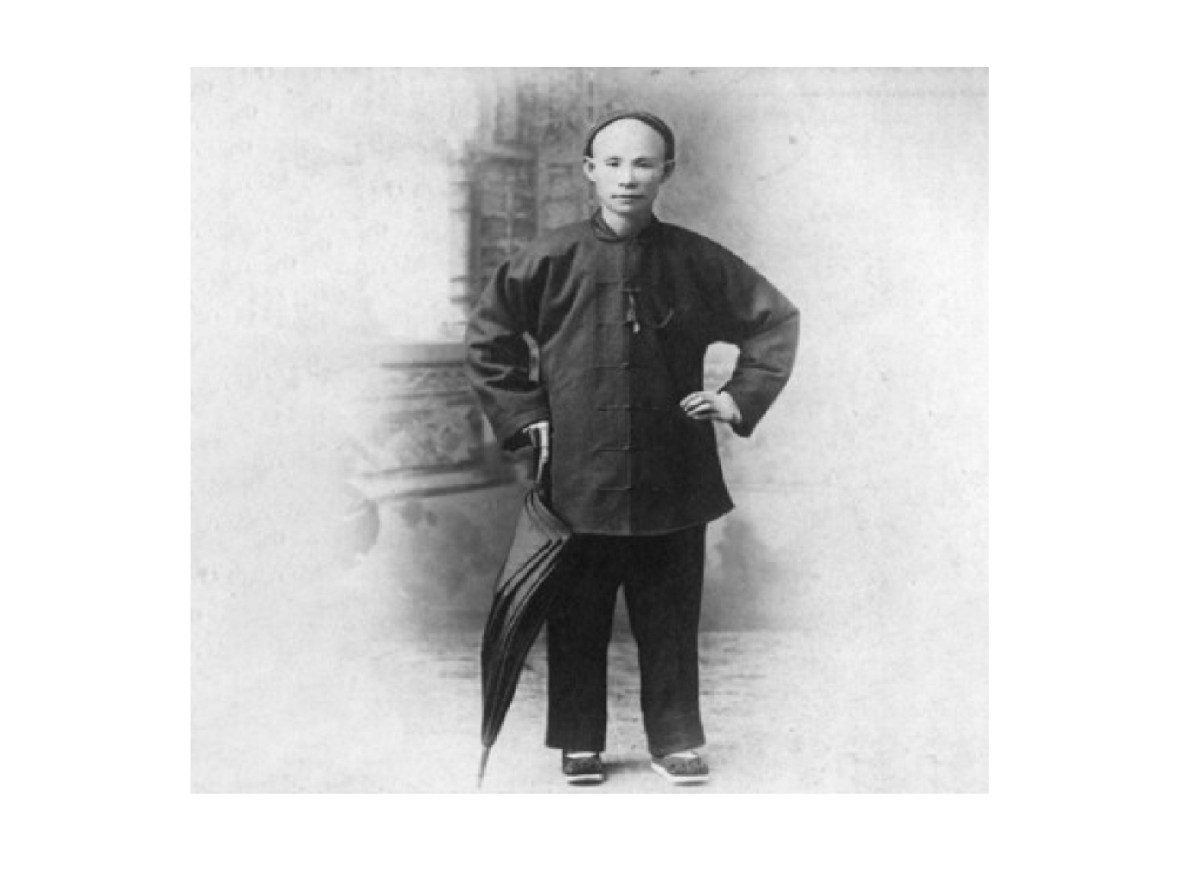
In 1897, Ottawa’s City Council voted to impose a new $10 tax, exclusively to apply to Chinese-owned laundries. Anti-Chinese sentiment in Ottawa had been festering. That same year, the Ottawa Trades and Labour Council had called for their men to boycott Chinese laundries and instead patronize “our laundries run by white people”.
The first Chinese people to come to Ottawa had arrived in 1887. As of the 1891 census there were still only five Chinese living in Ottawa, out of a total Ontario population of 97.
Chinese immigrants were barred from many professions in Canada and forbidden from buying property in certain jurisdictions. Ottawa’s first Chinese arrivals opened up laundries.
The first wave of Chinese had come to Canada in the 1850s and then a second wave arrived to do the dangerous work of railway building in the 1880s. Canadian resentment of the Chinese began to grow.
In 1885 the Canadian government instituted an exorbitant poll tax to put a stop to further Chinese immigration. This made it unaffordable for the men working on the railways to bring their wives and families to Canada, leading to many broken families.
By the beginning of the 20th century there were still barely 17,000 Chinese living in all of Canada yet they were still somehow seen as some kind of threat to the Canadian way of life.
The Chinese Exclusion Act, 1923-1947, further prevented Chinese immigration. Canadians of Chinese descent were only granted the right to vote in 1947.
That same year Prime Minister Mackenzie King had reiterated that “the people of Canada do not wish, as a result of mass immigration, to make a fundamental alteration in the character of our population” and Canada’s race-based immigration system remained in force until 1962.
The Historical Society of Ottawa's James Powell recounts a long, dark chapter from Canada’s past, including the adoption of the Chinese laundry tax here in Ottawa: www.historicalsocietyottawa.ca/publications/ottawa-stories/important-services-in-ottawa/ottawa-s-chinese-laundry-tax