

Working to preserve Ottawa's past
for future generations.
Dillon O’Connor: From Bytown Taverns to “Mr. O Canada”
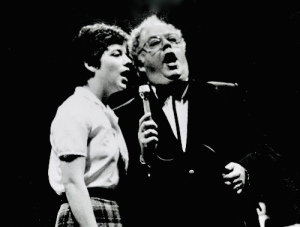
1 August 1968
Dillon O’Connor was beloved “Mr. O Canada” to a generation of Ottawa Rough Rider fans and Chateau Laurier patrons, renowned for uniting Canada’s “two solitudes” as the first solo artist to perform the official bilingual version of O Canada, on Parliament Hill in August of 1968.
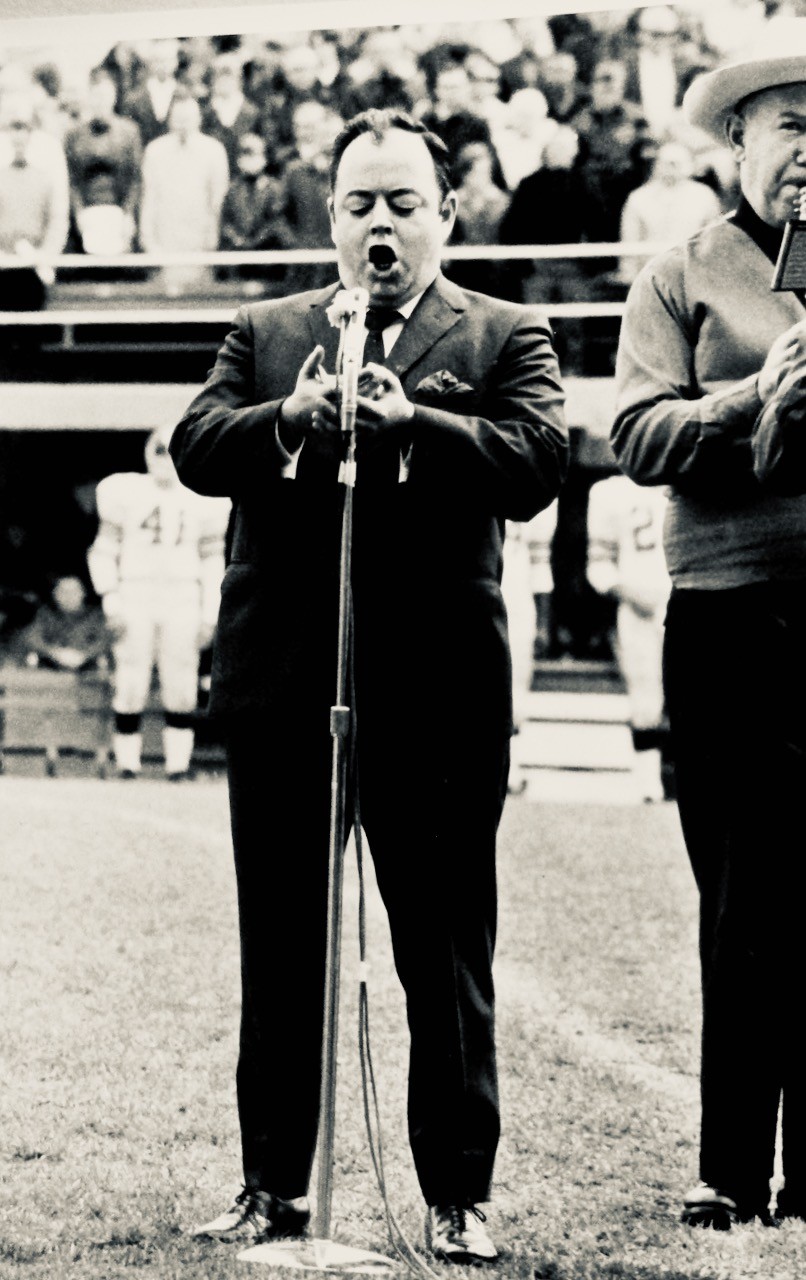 Dillon O'Connor on Landsdowne Park field 1968
Donna O’Connor recounts her father’s legacy, and reaches back into the days of Bytown to trace their family’s roots: The Goulden, Starrs, and OConnor families.
About the author: Donna O’Connor is a Toronto-based musician, vocal coach, and family historian, and the daughter of Ottawa-born vocalist Dillon O’Connor (“Mr. O Canada”). She is currently curating a digital archive and tribute website celebrating her father’s musical legacy alongside original historic drawings of early downtown Ottawa and the 19th-century Lowertown families who helped shape the capital.
Randy Boswell – “The Birth of Bytown & The Rideau Canal”
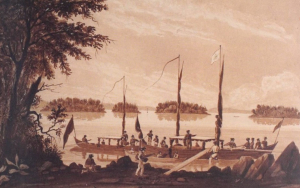
On September 25, 1826, hoping to obtain vice-regal confirmation of his chosen route for the Rideau Canal, Lt.-Col. John By led the Governor-in-Chief of British North America, Lord Dalhousie, on an arduous 13-km hike through the then tangle of forests and swamps that we have come to know today as Centretown, the Glebe and Old Ottawa South, quite likely reaching the point where the Rideau Canal would eventually meet up with the Rideau River at what we know today as Mooney’s Bay.
At one point during their round-trip trek back to that morning's starting point at Sleigh Bay (today’s Ottawa Locks), By and Dalhousie were graciously welcomed into the log cabin home of one of Old Ottawa South’s earliest settlers, Lewis Williams.
“After feasting on his potatoes,” Dalhousie wrote in his journal, “after our hot walk we asked for a little rum, but he had none. We drank water from his well as cold as any ice. I need not say that our visit gave the old man unbounded joy, tho’ we left without giving the least hint who we were.”
The following day, September 26, 1826, Lord Dalhousie recorded in an official letter that he had met with Colonel By at Sleigh Bay, below the future Parliament Hill, and confirmed that site’s selection to be the northern starting point of the Rideau Canal at the Ottawa River.
In that same meeting, the letter stated, plans were also approved for the town site for the future Bytown, divided by the intended canal into Lower Town and Upper Town; for a series of bridges across the Ottawa River to connect Upper and Lower Canada; and, at the request of the region’s fledgling logging industry, a dredged canal at Richmond Landing to ease the passage of timber rafts around the turbulent Chaudière Falls.
In this comprehensive and fascinating new essay, Carleton University professor and longtime Ottawa journalist Randy Boswell, a former HSO board member and HSO newsletter editor, chronicles these and more of the extraordinary events surrounding the “birth” of Bytown and the Rideau Canal two centuries ago this past month, including detailing long-overlooked interactions with the Indigenous people at the time, and the long-term impact of this uninvited settlement on the future of the Anishinaabe Algonquin:
Bytown 200 – The Birth of Bytown
An abridged version of this essay appeared as an article in the September 26, 2026 edition of the Ottawa Citizen and is also featured in a new book by Randy Boswell and Ottawa photographer John McQuarrie, “Ottawa, Spirit of Place — 200th Anniversary Edition”.
Lillian Scott Desbarats – Bytown Mayor Richard W. Scott, “Peace Maker” on July 12, 1852
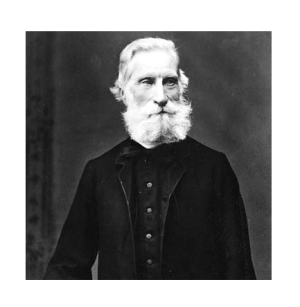
“My father, R. W. Scott (an Irish Catholic) was Mayor of Bytown in 1852, being but 27 at the time. The (Protestant) Orangemen asked him if they could walk in procession through the streets of Bytown on the 12th of July.
He gave them permission to do so. The other (Catholic) Irishmen said, ‘If you let those (Protestant) Orangemen walk, there will be trouble, we will stone them’.
My father said: ‘If you do, you will stone me, I am going to head the procession’ and so he did. (I have heard it said that he rode a white horse, but I am sorry to say that is not true.)
He lived in Lower Town; from there he drove a horse and buggy on to the Sappers Bridge, and when the Orange Parade came along he joined it, leading them all through Lower Town.
Not a stone was thrown, but he was defeated for Mayor when the elections came around. The Irish Catholics wouldn't vote for him because he joined an Orange procession, and the Orangemen wouldn't vote for him because he was Catholic."
The above is a short excerpt from “The Irish Settlers of Bytown and Early Ottawa", a chapter from Lillian Scott Desbarats' fascinating memoir, “Recollections", published in 1957, in which she recalls the time her father, Richard Scott, tried to play “peace maker” in pre-Confederation Bytown.
View the accompanying document for her full text regarding her father’s exploits on July 12, 1952: The Irish Settlers of Bytown.
Richard W. Scott survived this defeat and went on to an extraordinary career in the Ontario Legislature and Canadian Parliament, serving as Secretary of State in the Cabinets of both Alexander Mackenzie (1874-1878) and Wilfrid Laurier (1895-1908) and serving in the Senate until 1913.
Sir Richard Scott was one of the leading proponents behind Ottawa’s eventual choice as Canada's capital. He was also responsible for the 1863 Scott Act guaranteeing the right to separate schools in Ontario and the 1878 Scott (Temperance) Act allowing counties and municipalities to prohibit the sale of liquor.
In Bytown Pamphlets #80, #81, #82 and #84 we have published further excerpts from Lillian Scott Desbarats’ 1957 memoir “Recollections”: www.historicalsocietyottawa.ca/publications/bytown-pamphlets
Hamnet Pinhey Hill – LeBreton’s Influence on the Route of the Rideau Canal: Historical Fact… or Myth?
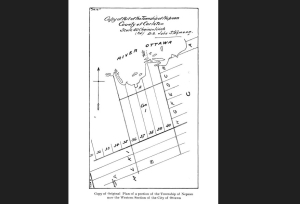
A favourite tale of Ottawa lore, re-told repeatedly, is the intriguing story that a plan to place the Rideau Canal entrance at LeBreton Flats was changed because of Lord Dalhousie’s anger at Captain John LeBreton, who the Governor General believed had used privileged information of the plan to purchase Lot 40 (the planned location) for personal gain.
Historians, however, as far back as Hamnet Pinhey Hill in 1919, have persevered to dispel the apparently groundless legend that this dispute actually had any impact on plans for the Rideau Canal.
Reproducing primary sources, including the full written accounts of both Dalhousie and LeBreton, Hill attests that the story of canal plans playing a part in the matter is without basis – the only plan figuring into Dalhousie’s anger having been one for placement of a storehouse to serve the terminus of the Richmond Road.
As per Hill: “There was however, an unpleasant misunderstanding between Lord Dalhousie and LeBreton over his purchase of Lot 40 at the sale, and the freedom with which Dalhousie vented his indignation probably accounts for the distorted story”.
Hill maintains that the land purchase disputed between Dalhousie and LeBreton had been in regard to planned use of the lot for a storehouse, not for the Rideau Canal.
Here is the link to the essay penned in 1919 by Hamnet Pinhey Hill, a local lawyer, MLA for Ottawa West and great-grandson of early March Township landowner Hamnet Pinhey.
We invite you to read Chapter V (pages 28-39), which will prove to be of particular interest to this long-running debate, as to whether the legend of the Dalhousie/LeBreton/Rideau Canal "scandal" is historical fact... or myth.
James Powell – Bytown Mechanics’ Institute
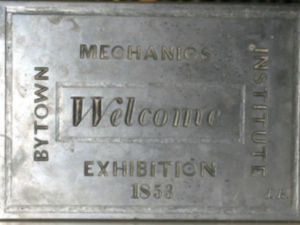
Back in rough and tumble 1840s Bytown, what was there for a man looking to improve his lot in life -- as opposed to spending his days hanging out in Bytown's abundant taverns?
Bytown’s first “Mechanics’ Institute” was established on January 28, 1847.
One might assume that a "Mechanics' Institute" was somewhere you might go to get your buggy serviced -- but you would be incorrect.
Mechanics’ Institutes, tracing their roots to 1820s Scotland, in fact, were set up to offer weekly lectures and reading room resources to the common man -- established on the novel premise that the working classes were entitled to as much respect as any other class and that their education should be promoted equally with others.
James Powell takes us back to the beginnings of the Bytown Mechanics’ Institute and its intersecting history with similar organizations such as l’Institut Canadien-Francais d’Ottawa:
todayinottawashistory.wordpress.com/2025/11/08/bytown-mechanics-institute/
Follow this link for more of James Powell’s contributions to the HSO Bytown200 Bicentennial Story Collection, as James shares stories of the Rideau Canal, the Shiners’ War, the Stony Monday Riot, The ByWard Market and more:
www.historicalsocietyottawa.ca/resources/bytown-200/james-powell-today-in-ottawa-s-history-428
James is the author of the blog Today in Ottawa's History giving a day-by-day account of local history.
You can read more about the Bytown Mechanics' Institute in our Bytown Pamphlet #39: The Bytown Mechanics' Institute: Improving the Mind of the Working Class
The Era of Bytown
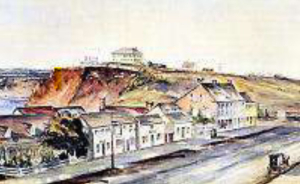
On April 25, 2026, the Society hosted the third presentation of its Bytown200 series. It followed a February presentation by Dr. Lynn Gehl on the past, present and future of the Anishinaabeg Algonquin of the Ottawa Valley, and one in March by Allison Margot Smith who gave a screening of her documentary on the Rideau Canal. Presented by Society member James Powell, the third and final part of the Bytown200 trilogy focused on Bytown itself. Despite stiff competition from two hockey games that afternoon with both the Ottawa Senators and the Ottawa Charge in action, close to 100 people attended James’s presentation at the Ottawa Public Library.
James started by looking at the men who were instrumental in Bytown’s early development, starting with Lord Dalhousie, Canada’s Governor General, who with great foresight bought 400 acres of land in 1821 at would become the entrance of the Rideau Canal in anticipation of a sizeable town developing there. James then talked about Colonel By who was given the task of planning the new town that took his name along with constructing the Rideau Canal. Attention then shifted to Nicholas Sparks, who owned much of the land that was to become downtown Ottawa. Sparks became extremely wealthy when the Rideau Canal cut through his property. And let’s not forget Philemon Wright, the founder of Hull, Quebec, Thomas Mackay, the father of New Edinburgh, and Louis-Théodore Besserer, the father of Sandy Hill.
James then gave a fascinating overview of life in Bytown. With a population of about 2,000 in 1840, the small community was divided in two parts--Upper Town which was mostly well-to-do, English and Protestant and Lower Town which was mostly poor, French or Irish and Catholic. The two communities, separately by about a half mile, were linked by one road and one bridge over the Rideau Canal. Regardless of where one lived, however, Bytown was “unsafe, dirty, smelly, unsanitary and unhealthy.”
Ethnic rivalries, often fuelled by alcohol, spilled over into the streets. Irish loggers called Shiners fought their French counterparts for control of the timberlands. Shiner atrocities led one Catholic priest to say Il n’y a pas de Dieu à Bytown. Without running water, sanitary sewers, garbage collection or paved streets, life in Bytown was harsh and unpleasant. Roads were often muddy and covered with horse manure. People donned wooden pattens (overshoes) to protect their boots. But one thing that they could not protect themselves from was disease. Cholera, typhoid, typhus, smallpox, diphtheria, measles, and scarlet fever ran rampant through the town. A measure of health care was brought to the town in 1847 by Élisabeth Bruyère, mother superior of Bytown Sisters of Charity, who founded the first civilian hospital aided by Dr. Van Cortlandt.
Still, there were opportunities for fun and education. In addition to boozing in the town’s many bars and taverns, Bytown citizens enjoyed cricket and lacrosse. Plays were produced at Her Majesty’s Theatre on Wellington Street. Two newspapers, the Bytown Gazette and The Packet, the forerunner of The Citizen, provided windows to the world outside of Bytown. Two literary groups—the Bytown Mechanic’s Institute and Atheneum and L’Institut canadien français d’Ottawa—gave learned lectures and for a fee provided Bytown residents access to circulating libraries.
James also talked about the fraught political scene in Canada at that time with people divided between Tories and Reformers. When rioting Tories burnt down the Parliament building in Montreal in 1849, incensed by Lord Elgin, the Governor General, signing into law the Rebellion Losses Act, Bytown’s was back in the running to become the capital of Canada. But Bytown too was divided between Tories and Reformers. Just months after Parliament was torched in Montreal, fighting between the two groups broke out on the streets of Bytown. Stones were thrown and shots fired in the Stony Monday Riot in the Byward Market during a public meeting to discuss an invitation to Lord Elgin to check out Bytown as a potential future capital. One man died. Two days later, armed Reformers and Tories squared off close to the canal. Separated only by a group of British soldiers, calmer heads fortunately prevailed and the two groups peacefully dispersed. Civil war was averted. The Packet newspaper wrote: Can it be true? Can such a scene have occurred in the middle of the 19 th century in enlightened Canada?
Four years later, the political environment had mellowed, and Lord Elgin finally journeyed to Bytown where he was warmly greeted by Joseph-Balsora Turgeon, Bytown’s first Francophone mayor. Both Tories and Reformers, eager to make a good impression, wined and dined the governor general during his stay in Bytown and his trip up the Ottawa River. The political storm had passed.
Bytown became Ottawa in 1855, a name viewed as more fitting for a town aspiring to be the new capital of Canada. After years of sterile debate and failed votes in the legislature, the Canadian government asked Queen Victoria in 1857 to settle the debate over the location of the new capital. Ottawa won, beating outrivals Toronto, Quebec and Kingston. Following more months of political wrangling, Parliament finally ratified the Queen’s choice in 1859, but the vote was close. Had three MPs voted differently, ratification would have failed.
After the presentation concluded, there was a lively question and answer period covering such topics as John LeBreton’s land speculation, reasons why Queen Victoria selected Ottawa as the capital, schools in Bytown, and the occupations of people who lived in Upper Bytown.
For those unable to attend (or were watching the hockey games!), the presentation was recorded.
The HSO 2026 Bytown200 Bicentennial Storytelling Challenge
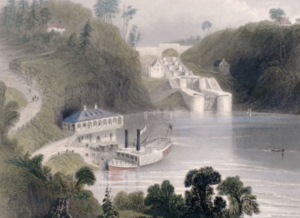
Let’s hear your stories about Bytown and the Rideau Canal as we begin to mark 2026, the 200th anniversary of the beginning of both!
All contributions are welcome. Selected submissions will be shared on a special webpage on the HSO website for all to access, including educators. Eligible contributions can be submitted in a variety of formats, including written or audio/video.
We hope to also incorporate selected contributions into our many other platforms – such as our blog, the HSO Capital Chronicle newsletter, website articles and the Ottawa Stories sections and potentially our pamphlet series. All will be shared through our social media platforms well.
We welcome stories that pertain to the Rideau Canal or Bytown (1826-1855) or the Ottawa area’s history beforehand, as well as stories exploring the impact that the establishment of both had on the lives and livelihoods of Indigenous people.
We welcome new as well as updated or previously-published materials for submission. Contributors will allow HSO the right to publish their materials while also retaining the right to do so themselves.
Contact us to learn more: This email address is being protected from spambots. You need JavaScript enabled to view it.
We will also be happy to discuss any proposals for submissions you may have.
Have a look at our collection of stories: www.historicalsocietyottawa.ca/resources/bytown-200
Louise Charbonneau SCO – The Venerable Élisabeth Bruyère
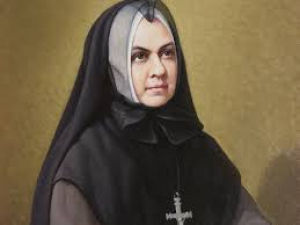
Did early Bytown bear witness to the work of a Saint? April 5, 2026, marks the 150th anniversary of Mother Élisabeth Bruyère’s death, yet her selfless spirit lives on and her mission continues to inspire important work in health care, education, social services and the promotion of social justice.
On April 14, 2018, by decree of Pope Francis, Élisabeth Bruyère was declared Venerable, in recognition of her heroic practice of faith, hope and charity.
Sister Louise Charbonneau invites us to fully appreciate the legacy of this innovative and virtuous pioneer of Bytown, the Venerable Élisabeth Bruyère, and the cause for her beatification and ultimate canonization.
- In English – As Bytown Celebrates 200 Years, Let Us Remember Our Founders Venerable Élisabeth Bruyère: An Innovative and Virtuous Pioneer of Bytown 1845-1876
- In French – Alors que Bytown célèbre ses 200 ans, souvenons-nous de ses fondatrices: La vénérable Élisabeth Bruyère : une pionnière innovante et vertueuse de Bytown, 1845-1876
Sister Louise Charbonneau is a Sister of Charity of Ottawa (SCO). The Sisters of Charity of Ottawa, known as the Grey Nuns of the Cross, have been following in the footsteps of their foundress Élisabeth Bruyère since her arrival in Bytown in 1845.
The City of Ottawa Archives – Bytown 200th: Ottawa's history
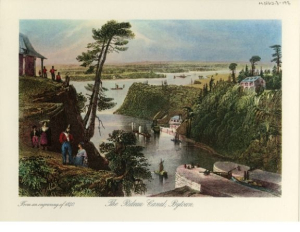
The City of Ottawa Archives joins in marking 200 years since the founding of Bytown, by presenting a serialized look at the community’s early development.
“Bytown: Construction Camp to Fledgling City” explores the transformation of a frontier settlement into a vibrant urban centre. Through archival records, historical insights, and profiles of key figures, follow this series as the Archives brings Bytown’s story to life—one chapter at a time: https://ottawa.ca/en/node/3042265
The City of Ottawa Archives are the custodians of permanent and historical civic government records on behalf of the City of Ottawa and its many departments, as well as local, community records with historical value. They preserve, acquire and make these documents accessible for City staff, the public, and other researchers, for present and future generations.
Ben Weiss – 1926 Centenary Flashback
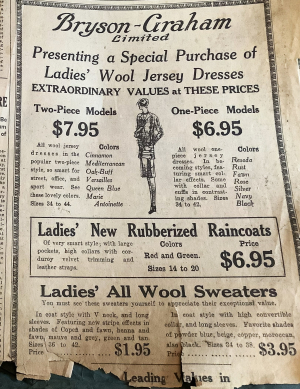
Join us as we (carefully) flip through the withering pages of a (barely) surviving copy of the August 16, 1926 edition of the Ottawa Evening Citizen -- and travel back a century and explore some of the news items and advertisements published in the newspaper’s special “Centenary Edition”, kicking off Ottawa’s celebration of its first 100 years.
FRONT PAGE “CENTENARY EDITION”
.jpeg)
August 16, 1926
Bold headlines announce that “Mayor Hands ‘Key’ of City to Visitors”, “Throng on Parliament Hill for Centenary Official Opening Ceremonies” and “Sunday Scenes at Lansdowne Park When Centenary Opened with Garrison Church Parade”.
(Let’s not be confused! A fourth unrelated headline is inserted reporting that “Empty Casket in Case Alleged to Contain the Body of Kitchener”, a story that has nothing to do with Ottawa’s Centenary but rather a discovery at a train station in London, England.)
On the same page, the Citizen boasts that “1,400 pounds of ink will be consumed” publishing this special 128-page Centenary edition.
For more on that week’s celebration of Ottawa’s 100 th birthday, check out James Powell’s “Ottawa’s Centenary”: todayinottawashistory.wordpress.com/2019/07/20/ottawas-centenary/
FIRST SHOWING OF “BEN HUR” IN THE BRITISH EMPIRE
.jpeg)
August 16, 1926
This silent-era MGM classic, showing at Ottawa’s Auditorium, accompanied by a touring symphony classic is the “first time shown in the British Empire” and “will not be shown here again for at least 12 months”.
James Powell tells us more about the remarkable legacy of the Auditorium (1923-1967): todayinottawashistory.wordpress.com/2024/08/31/the-auditorium-the-aud/
CENTENARY STAMPEDE
.jpeg)
An advertisement for the week-long Centenary Stampede, the highlight of Centenary celebrations at Lansdowne Park. James Powell tells us more about this “Most Thrilling Sporting Event!”: todayinottawashistory.wordpress.com/2025/10/25/the-centenary-stampede/
A CENTENARY “WELCOME!”
.jpeg)
August 16, 1926
We were being promised “Two Big Weeks of Fun and Merriment” August 16-28, with the Centenary celebrations – the Stampede and Historical Pageant – at Lansdowne Park the first week, with the Central Canada Exhibition (the “Ex”) hoping to capitalize on the wave of momentum when it takes over the venue the second week.
Note: “Reserved Seats for all events on sale at Centenary Headquarters, Russell House Block, Phone Q. 1127”.
On the same page, an ad for Fournier’s noting that the retailer will be closed Wednesday (August 18) for “Ottawa’s Birthday” but offering broadcloth shirts for as low as $1.79 and neckties and socks for under a dollar for those who shop on Tuesday.
Also on the same page, a listing of “Radio Programs” from stations broadcasting as far away as Philadelphia and New York City, including a report on the previous two nights’ radio reception, courtesy of the Department of Marine and Fisheries: “Sunday – Reception good. Saturday – Fair, with some static and slight fading”.
“OTTAWA CENTENARY AWAY TO SPLENDID START”
.jpeg)
August 16, 1926
“Impressive Church Parade Features Sunday Ushering City’s Big Celebration”, “Thousands of Visitors From Near and Far in Capital”, “Crowded Streets, Gaily Decorated and Illuminated”.
On the same page:
A Bishop visiting from England for the Centenary, preaching at Christ Church Cathedral, pleads with the congregation to “Keep Canada British”, stating “We welcome those from other countries, and God knows where they call come from, but don’t let us, for God’s sake, lose the British ties of blood which once bound the early settlers of Canada.”
Mackenzie King (leading the Opposition during Arthur Meighen’s brief 3-month tenure as Prime Minister that summer) is accused by one of Meighen’s ministers as repeating “false statements” accusing the Customs Department of “maladministration”.
Saturday night’s “annual sweet pea show”, put on by the Westboro Horticultural Society is deemed “a signal success, as evidenced by the large attendance and the many entries”.
SPORTS PAGE – TWO HOMERS FOR BABE
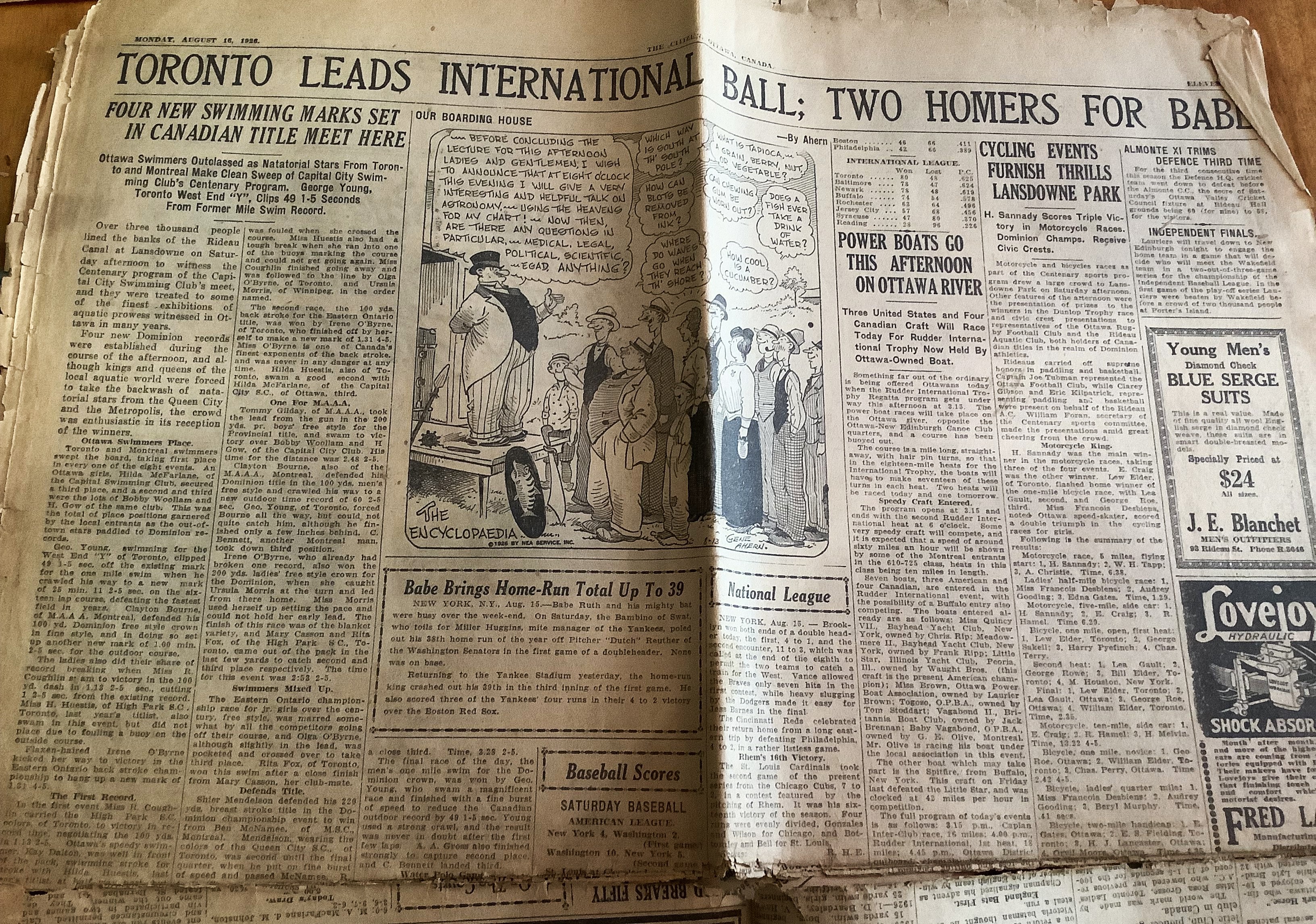
August 16, 1926
“Babe Ruth and his mighty bat were busy over the week-end” against the Washington Senators,”Babe Brings Home Run Total Up to 39”. (The Babe would finish 1926 with 47 home runs, the fifth highest in his career, batting a career-high 60 homers the following year.)
Also on the same sports page:
Four new “Dominion” records were established in swim meet held in the Rideau Canal this past weekend.
Toronto’s team in baseball’s International League narrowly remained in first place (the Toronto “Maple Leafs” would go on to win 29 of the next 38 games and win the league championship for their last time until 1943.
The local “Lauriers” of the Independent Baseball League were beaten by Wakefield before a crowd of 2,000 on Porter’s Island.
Four Canadian and three U.S. power boats competing in a regatta on the Ottawa River.
Centenary motorcycle and bicycle races drew a large crowd at Lansdowne Park.
Almonte beat the Defence HQ in cricket at Rideau Hall.
Also on the same page, the day’s “Our Boarding House” cartoon featuring the tall-tale-telling “Major” Hoople.
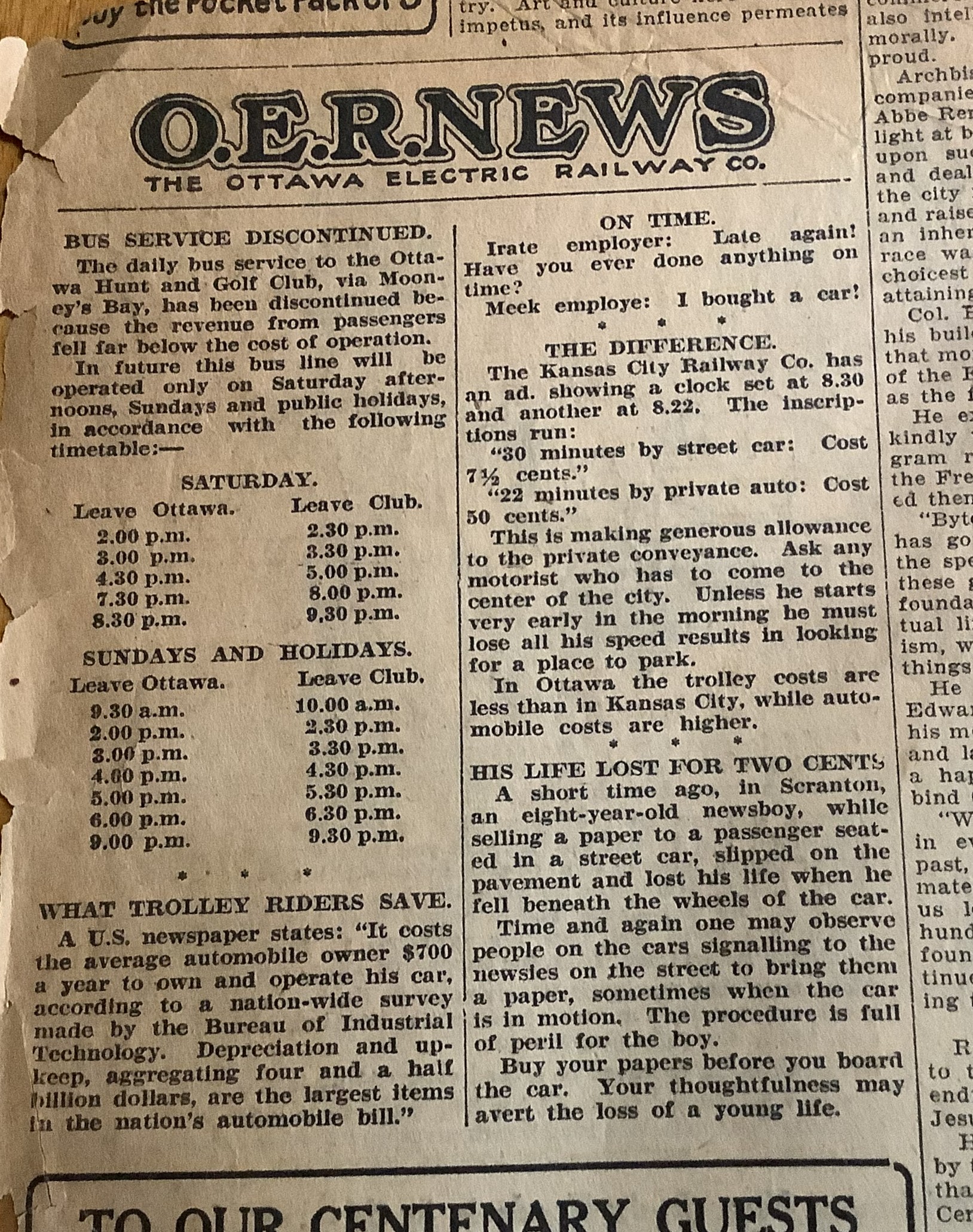
“O.E.R. (OTTAWA ELECTRIC RAILWAY) NEWS”
August 16, 1926
“The daily bus service to the Ottawa Hunt and Golf Club, via Mooney’s Bay, has been discontinued because the revenue form passengers fell far below the cost of operation.”
This sort of blunt announcement may have become frequent in the 1920s, as the rapid increase in automobile ownership began to precipitate a correspondingly sharp decline in street car ridership, eventually leading to the termination of Ottawa’s street car system by 1959.
In a valiant effort to reverse the trend, “O.E.R. NEWS” goes on to quote a national U.S. survey reporting that, with depreciation and upkeep “it costs the average automobile owner $700 and year to own and operate a car”.
Also quoted is a Kansas City Railway Co. ad that claims one of its main routes is “30 minutes by street car: cost 7 ½ cents” vs. “22 minutes by private auto: cost 50 cents”. The O.E.R. NEWS goes on to comment “this is making generous allowances to the private conveyance. Ask any motorist who has to come to the center of the city. Unless he starts very early in the morning he must lose all speed results in looking for a place to park.”
This unflattering verdict against the automobile is followed by the grim story of an eight-year old newsboy from Scranton, Pennsylvania who lost his life when he slid under the wheels of a car while trying to sell a newspaper to one of its passengers.
Finally, in a separate advertisement on this same page, the Ottawa Electric Railway lets potential customers know that it is now offering the services of motorized coaches, in addition to its street car service.
The late Cliff Scott wrote about the rise and fall of the Ottawa Electric Railway: www.historicalsocietyottawa.ca/publications/ottawa-stories/significant-technological-changes-in-the-city/ottawa-s-street-railways
RETAILERS HOP ON BOARD THE CENTENARY BANDWAGON
August 16, 1926
.jpeg)
Poulin’s, Max Feller, Freiman’s, Devlin’s, Fisher’s, Murphy-Gamble, Bryson-Graham and the Ottawa Beach Motor Company were among the Ottawa merchants to take out ads in this special Centenary edition.
 Max Feller.jpeg)
Devlin’s welcomes “visitors to Ottawa” to the “fair village of Colonel By”. With stores required to close Wednesday for the Centenary, Murphy-Gamble and Freiman’s advertise Tuesday-only specials.
 - Devlin's.jpeg)
.jpeg)
.jpeg)
 Murphy Gamble.jpeg)
James Powell writes about some of these icon retailers of Ottawa’s past:
todayinottawashistory.wordpress.com/2017/10/07/bryson-graham-ltd-ottawas-greatest-store/
Quick Links
About
Supporting Partners